


Most people see trash as a problem. Some people see it as income. The trash to income economy is the system where individuals and small businesses make real money from waste collecting it, cleaning it, recycling it, processing it, or dealing with jobs most people refuse to touch.
This isn’t glamorous work. That’s exactly why it pays.
What “Trash to Income” Actually Means
Trash-to-income is not about being eco-friendly or saving the planet.
It’s about supply and demand.
- Society produces massive amounts of waste
- Waste must be handled by law
- Most people don’t want to handle it
- Fewer workers + constant demand = higher pay
That’s the entire model.
Income comes from:
- Collecting waste.
- Sorting and processing waste.
- Cleaning waste systems.
- Transporting waste.
- Reselling recyclable materials.
If waste exists and it always will, someone is getting paid.
Why Trash and Dirty Jobs Pay More?
Here’s the uncomfortable truth people avoid:
Trash jobs pay more because they are:
- Physically demanding.
- Smelly, dangerous, or uncomfortable.
- Socially looked down on.
- Regulated and liability-heavy.
Most people would rather sit in a low-paid office job than pump septic tanks or clean grease traps. That avoidance creates opportunity.
The market doesn’t care about ego. It pays whoever shows up.
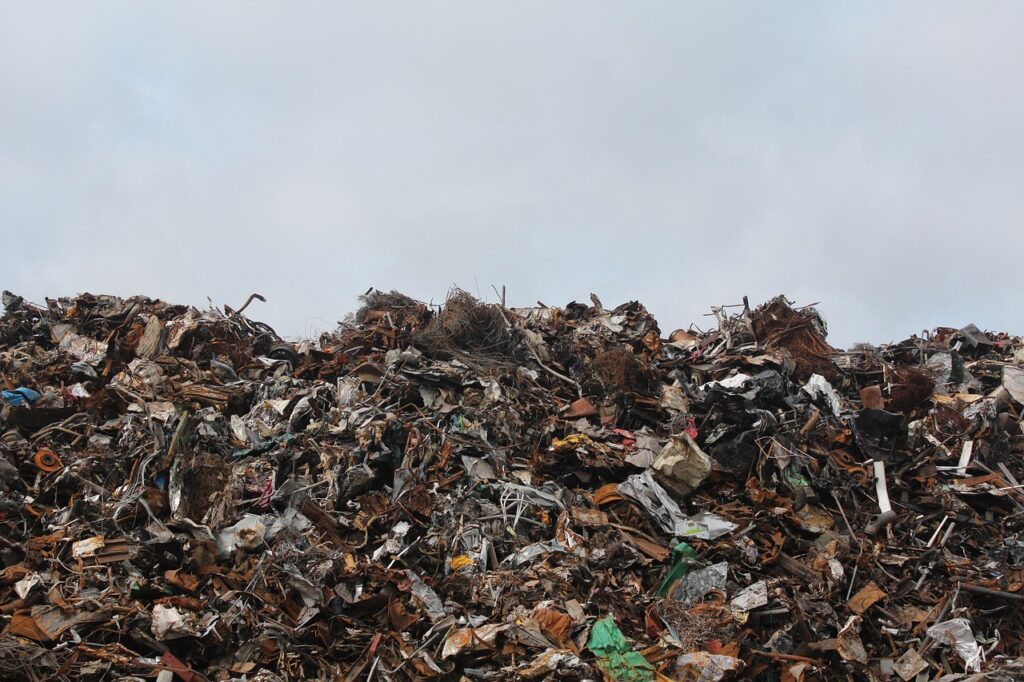
Types of Waste That Generate Income.
Not all trash is equal. Some waste is worth real money.
1. Metal Waste.
- Copper.
- Aluminum.
- Steel.
- Brass.
Scrap metal recycling is one of the oldest trash-to-income paths in the US.
2. Electronic Waste.
- Old computers.
- Phones.
- TVs.
- Circuit boards.
E-waste contains recoverable metals and resale components, but comes with health and legal risks.
3. Organic & Liquid Waste.
- Septic systems.
- Grease traps.
- Portable toilets.
These jobs pay well because they’re urgent, regulated, and disgusting. No shortcuts allowed.
4. Cardboard & Packaging.
- Retail waste.
- Warehouses.
- Distribution centers.
Low prestige, steady income, especially in small towns.
5. General Trash Collection.
- Residential routes.
- Commercial contracts.
- Construction waste.
Boring, consistent, and surprisingly profitable when done at scale.
Jobs vs Businesses know the Difference
This is where most people confuse themselves.
Jobs.
- Steady paycheck.
- Lower risk.
- Physical labor.
- Less control.
Examples:
- Trash truck driver.
- Recycling plant worker.
- Waste facility technician.
Businesses.
- Higher risk.
- Higher reward.
- Equipment + permits.
- Long-term income potential.
Examples:
- Scrap metal yard.
- Septic pumping service.
- Porta-potty servicing.
- Grease trap cleaning.

The Legal Reality Nobody Warns You About.
Trash income is not a loophole. Most waste-related work requires:
- Business licenses.
- Environmental permits.
- Safety compliance.
- Insurance.
- Local approval.
Ignore this and you don’t just lose money you get fined or shut down.
Every serious trash-income opportunity has:
- Paperwork.
- Inspections.
- Rules.
Also read: Septic Tank Pumping Salary 2026
The Risks People Pretend Don’t Exist.
Let’s be honest.
This work can involve:
- Injury.
- Exposure to chemicals.
- Biohazards.
- Long hours.
- Equipment failure.
Anyone selling this as “easy money” is lying.
Trash income is simple, not easy.
Who This Work Is For (And Who Should Stay Away).
This is for:
- People who care about money more than image.
- Those willing to work uncomfortable jobs.
- Practical thinkers, not dreamers.
- People who want recession-proof income.
This is NOT for:
- People chasing “passive income” fantasies.
- Anyone scared of dirt, smells, or risk.
- People who need social approval.
- Anyone allergic to regulations.
Next Posts You Should Read:
- Is Dumpster Diving Legal in the United States?
- Why Dirty Jobs Pay More Than Office Jobs
- Scrap Metal Recycling: How the Money Actually Works
If trash exists, income exists. Most people just don’t want to touch it. That’s the opportunity.




[…] Also read: What Is the Trash to Income Economy? […]