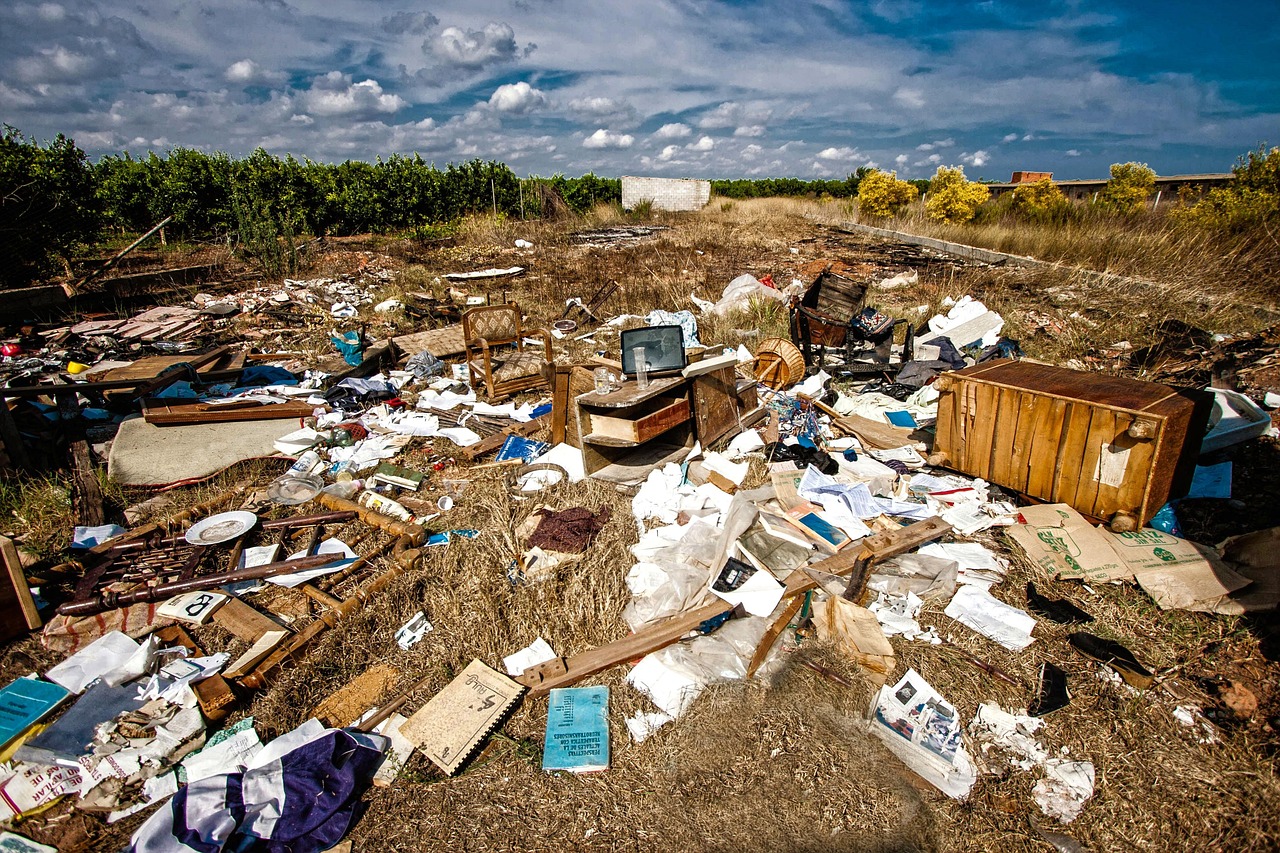

The American “trash” economy is currently a $100 billion+ industry. While Silicon Valley burns billions on apps that don’t make a profit, the person with a used Ford F-150 and a pressure washer is quietly clearing $150,000 a year in take-home pay.
The barrier to entry isn’t capital; it’s the willingness to look “un-prestigious” in front of your neighbors. If you can handle the optics, the math is overwhelmingly in your favor.
I. Why Trash is Recession-Proof?
In 2024, the average American produces about 4.5 pounds of municipal solid waste (MSW) per day. Multiplied by 330 million people, that is a staggering amount of logistics required to keep society functioning.
Why now?
- The “Amazon Effect”: E-commerce has flooded suburban homes with cardboard and packaging waste that city bins can’t handle.
- The Aging Population: Baby boomers are downsizing at record rates, leading to a massive surge in the junk removal sector.
- The Service Economy Shift: Younger generations (Millennials and Gen Z) are statistically more likely to pay for “convenience services” like bin cleaning and junk hauling than to do it themselves.
II. Ways to Start Trash Business
Many people think you need a $100,000 fleet to “get into trash.” The data proves the opposite. According to 2025 market reports, 55% of junk removal companies are small, family-owned operations with 1–2 trucks.
1. Junk Removal.
The Startup Reality: You don’t need a branded Hino. A $3,000 used pickup and a $1,500 dump trailer (often found on Facebook Marketplace) are your revenue-producing assets.
- Average Job Size (2025 Data): $250 to $600 depending on volume.
- The “Magic” Number: A 2-person crew charging a full-load rate of $550–$850 in urban areas can net $200 profit per job after disposal fees and labor.
- The Trend: 60% of bookings now happen on weekends. If you keep your “9-to-5” and only work Saturdays, you can still gross $1,200/week.
- The Playbook: Focus on estate cleanouts. They account for 40% of the market and often involve “bonus” items (electronics or furniture) you can resell, making the job 100% margin.
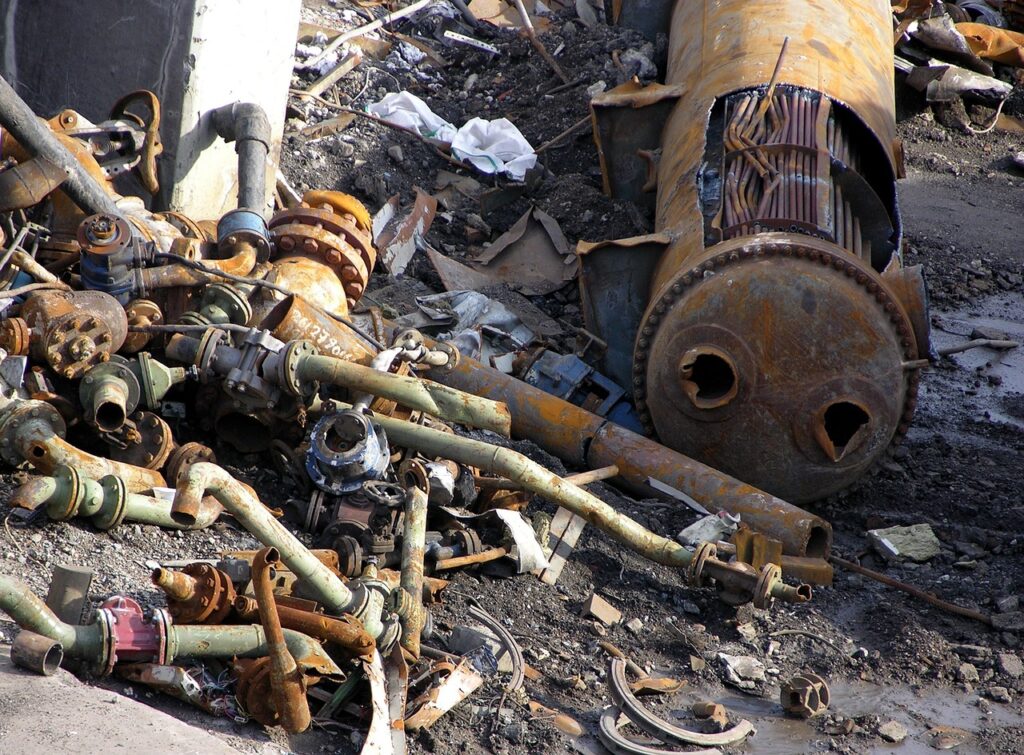
2. Scrap Metal.
While people mock “scrappers,” the scrap metal recycling market is valued at over $20 billion in 2026. This isn’t just picking up cans; it’s industrial arbitrage.
- The Profitability KPI: Successful operators aim for a 20% to 35% gross margin.
- Key Materials: 2026 is the year of Copper and Aluminum. Demand for secondary raw materials is at an all-time high due to EV manufacturing and infrastructure upgrades.
- The Strategy: Don’t hunt in alleys. Partner with HVAC and plumbing contractors. They produce high-value “non-ferrous” scrap (copper coils/pipes) daily. Offer to be their “clean-site” partner for free, and you keep the inventory.
3. Trash Bin Cleaning.
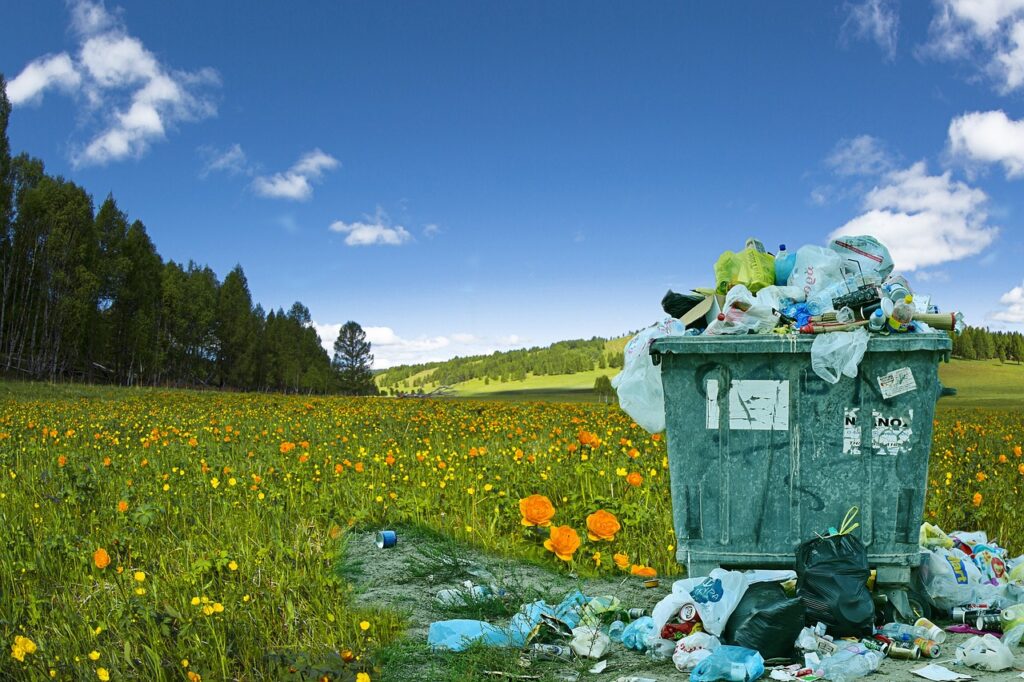
This is the “SaaS” of the trash world. It’s predictable, recurring, and highly scalable.
- The Subscription Model: Residential customers pay $20–$35 per month for a recurring cleaning.
- The Math: If you service 20 homes a day (easy with route optimization software), that’s $400–$700 in daily revenue with almost zero “inventory” cost.
- Market Data: 2025 reports show a 6.5% CAGR in this niche. Why? Because the “Amazon Effect” has led to more food-packaging waste in bins, leading to smells and pests that modern homeowners refuse to handle themselves.
Also read: 7 Types of Waste That Have Resale Value.
4. Small-Scale Dumpster Rental.
The “Grown-Up” trash business has a secret entrance: The Dump Trailer. Big companies won’t drop a 40-yard steel bin on a suburban driveway—it cracks the concrete. You can.
- The Investment: A 7×14 dump trailer costs roughly $4,500 used.
- Revenue Projection: 4 trailers rented 4 times a month at $400 per drop = $6,400/month.
- The Secret: Your profit isn’t in the rental; it’s in the “Tipping Fee” management. By sorting the waste yourself (pulling out metal or cardboard), you can cut your landfill costs by 30%, which goes straight to your bottom line.
5. Cardboard & Recycling Arbitrage.
E-commerce has made cardboard the most abundant “trash” on earth. Small businesses are drowning in it.
- Startup Cost: Under $1,000 for a heavy-duty stapler or basic baling ties.
- The “Valet” Strategy: Apartment complexes and retail strips are now hiring “Valet Trash” services.
- The Revenue Shift: Don’t just charge for removal. In 2026, companies that offer recycling and donation options are 30% more likely to be chosen by Millennials (the fastest-growing demographic of trash service buyers).

III. The Legal & Operational Framework
The goal is Minimum Viable Professionalism (MVP). You need to look like a pro to the customer while spending like a monk behind the scenes.
| Category | The “Surgical” Choice | Cost Impact | Why This Works |
| Legal | Sole Proprietorship | $50–$100 | In 90% of states, you can operate under your own name or a “Doing Business As” (DBA) for under $100. |
| Insurance | General Liability | $500–$800 | Non-negotiable. This protects you if you drop a fridge on a customer’s hardwood floor. |
| Equipment | Used Marketplaces | $3,000 | A 2008 Chevy Silverado with 150k miles moves trash just as fast as a 2024 model. |
| Marketing | Sweat Equity | $200 | Facebook Marketplace, Nextdoor, and $150 worth of high-quality door hangers. |
| Software | Free Tier Apps | $0 | Use Wave for invoicing and Google Calendar for scheduling. |
| TOTAL | $3,800–$4,200 | Result: $800+ remaining for fuel and dump fees. |
1. Why Your LLC is Killing Your Hustle
The “Permission Trap” is a psychological barrier where people believe they cannot legally or ethically start until they have “The Big Three”:
- The LLC: People think an LLC is a magic shield. In reality, if you’re a solo operator and you drive a truck into a garage, a “Single Member LLC” rarely provides the total protection people think it does. You need insurance first, paperwork second.
- The Website: In the trash business, nobody cares about your “About Us” page or your brand story. They care that you are available at 2:00 PM on Tuesday.
- The Brand: A $1,500 wrap on a truck doesn’t haul more junk. It just makes your debt heavier.
The 3-Job Rule: Do not file for an LLC until you have completed three paid jobs. Those three jobs prove that your local market actually wants what you’re selling. Use that first $1,000 in profit to pay for the legal filings.
2. The “Lean” Operations Playbook.
To stay under $5,000, you have to trade convenience for cash.
- The Equipment Strategy: Buy a used utility trailer instead of a dump truck. A 6×12 utility trailer can be found for $1,200–$1,800. It’s harder to unload (you have to use a pitchfork or a “drag mat”), but it saves you $15,000 in entry costs.
- The Marketing Engine: Spend $0 on Google Ads. Spend 4 hours a day on Facebook Neighborhood Groups.
- The Invoicing Hack: Use a free tool like Wave Accounting or the free tier of Jobber. Sending a professional digital invoice via text message immediately separates you from the “cash-only” guys who look like they might disappear with the customer’s deposit.

3. Risk Mitigation.
Surgical spending doesn’t mean being reckless.
- General Liability Insurance: This is your real “permission.” Most junk removal insurance policies for starters, are roughly $50–$70 per month. Without this, you aren’t a business; you’re a liability.
- The Waiver: Have a simple one-page PDF on your phone that customers sign via finger-swipe (using a free app like DocuSign or even a Google Form). It should state: “We are not responsible for pre-existing damage to driveways or interior walls during the removal process.”
The Pattern of Failure vs. The Pattern of Success
- The Failure Pattern: Spends 3 months “planning,” buys a $500 logo, files an LLC, builds a website, spends $5,000… and has $0 left for gas when the first lead finally calls.
- The Success Pattern: Posts on Facebook, borrows a trailer, makes $300, buys a used trailer for $1,200, makes $2,000, buys insurance, and then worries about what the logo looks like.
IV. Overcoming the “Stigma” Barrier
The reason these margins are so high is that competition is lazy. In the trash business, “Professionalism” is a superpower. If you show up in a tucked-in polo shirt, send a digital invoice, and say “Thank you, ma’am,” you can charge 25% more than the guy in a stained t-shirt who only takes cash.
V. The Growth Map.
- Phase 1 (The Grind): You are the driver, the loader, and the salesman. (0–6 months)
- Phase 2 (The System): You hire one part-time helper. You automate your booking with a website. (6–12 months)
- Phase 3 (The Fleet): You buy a second truck. You step out of the driver’s seat and into the “Sales/Ops” seat. (18+ months)
Final Reality Check
The “Trash Business” is a logistics business disguised as a dirty job. The dirt washes off; the equity in your business and the cash in your bank account do not. The only difference between you and the person earning $2,000 this weekend is that they stopped “researching” and started lifting.




[…] Also read: 5 Ways To Start Trash Business With Under $5,000 […]
[…] Also read: 5 Ways To Start Trash Business With Under $5,000. […]