

Starting a porta potty business often referred to as “portable sanitation” is one of the most resilient, recession-proof industries in the service sector. While the work is gritty, the margins are surprisingly clean.
In 2024, the global portable toilet market was valued at approximately $22.69 billion, and it is projected to skyrocket to over $51 billion by 2035. Whether it’s a high-rise construction site in a growing city or a 100,000-person music festival, the demand for human waste management is constant and non-negotiable.
This guide breaks down exactly what it costs to enter the industry, how much you can expect to earn, and the real data behind the “liquid gold” of sanitation.
1. Startup Costs.
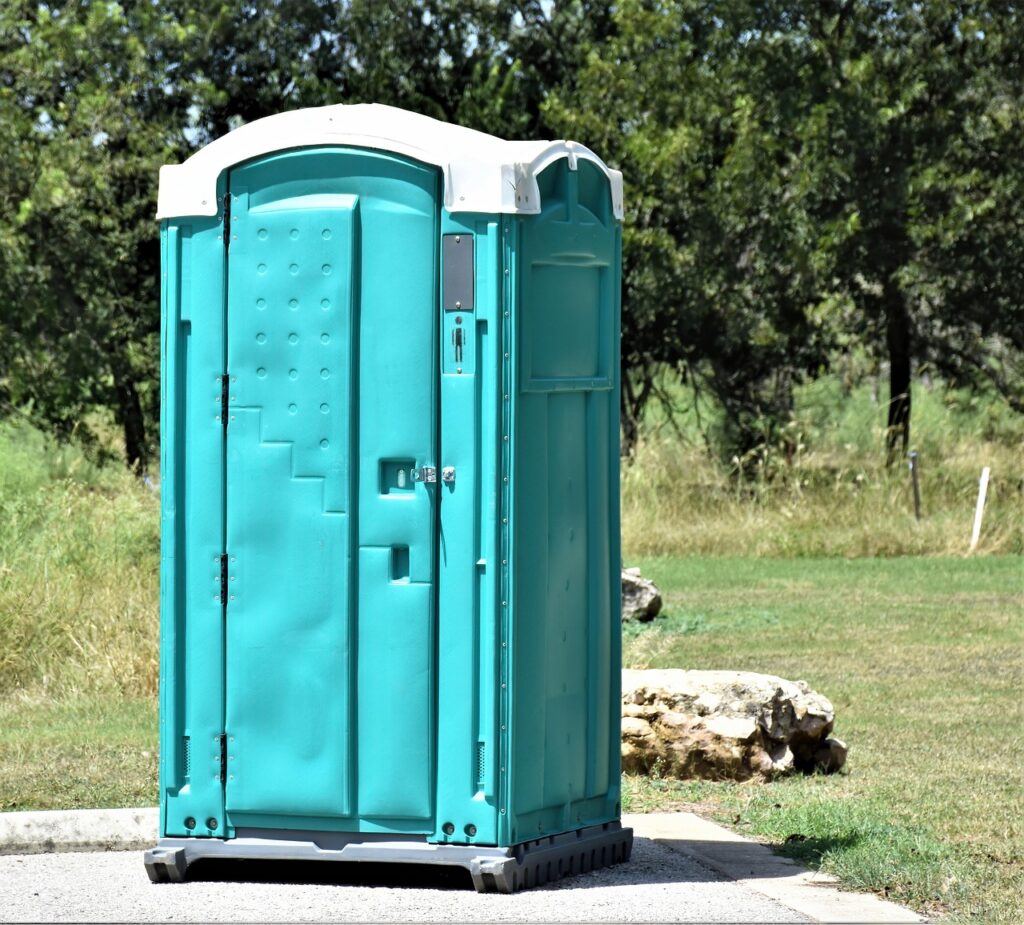
Starting a porta-potty business requires a higher upfront investment than a typical cleaning service because of the specialized equipment. You aren’t just buying mops; you’re buying a fleet of chemical-resistant plastic structures and a vacuum truck to service them.
Initial Investment Breakdown
| Expense Category | Low-End (Small Fleet) | High-End (Full Scale) |
| Standard Units (10–20 units) | $7,000 – $15,000 | $15,000 – $30,000 |
| Service Truck (Used vs. New) | $45,000 (Used) | $120,000+ (New) |
| Waste Disposal Permits/Licenses | $1,000 | $5,000 |
| Insurance (Liability & Auto) | $2,000 | $6,000 |
| Chemicals & Initial Supplies | $1,000 | $3,000 |
| Marketing & Website | $500 | $5,000 |
| Working Capital (3-6 Months) | $10,000 | $30,000 |
| TOTAL STARTUP COST | $66,500 | $199,000+ |
Key Equipment Specs
- Standard Units: New units typically cost between $700 and $1,500 each.
- ADA Units: Mandatory for many public events; these can cost $2,000 – $4,000 per unit.
- The Vacuum Truck: This is your most critical asset. A “pumper truck” includes a waste tank (usually 300–1,500 gallons) and a fresh water tank for rinsing and refilling sinks.
2. Revenue Streams.
A portable sanitation business has two primary ways to bill: Rental Fees and Service Fees.
Average Rental Rates (2025 Market Data)
Rental prices vary by region and duration. Long-term construction rentals are cheaper per day but provide steady “mailbox money,” while weekend events command premium prices.
| Unit Type | Daily Rate | Weekly Rate | Monthly Rate |
| Standard Unit | $75 – $150 | $150 – $300 | $200 – $450 |
| Deluxe (with Sink) | $100 – $175 | $200 – $400 | $300 – $600 |
| ADA Accessible | $125 – $250 | $300 – $500 | $450 – $800 |
| Luxury Trailer | $1,000 – $2,500 | N/A | $4,000 – $10,000 |
The “Service Upsell”
The real profit often lies in the cleaning frequency. A standard monthly rental usually includes one cleaning per week. If a client needs service three times a week due to high usage, you charge an “Extra Service Fee” of $50 – $100 per visit.
3. Profitability and Margins
According to industry benchmarks, a well-run portable toilet business can achieve net profit margins of 20% to 35%.
Monthly Profit Projection (Medium Fleet: 50 Units)
Imagine you have 50 standard units with an 80% utilization rate (meaning 40 units are out on rent at any given time).
| Revenue Item | Calculation | Total |
| Monthly Rental Revenue | 40 units x $250/avg | $10,000 |
| Extra Service Fees | 10 units x $75/visit | $750 |
| Delivery/Pickup Fees | 15 drops x $100 | $1,500 |
| GROSS MONTHLY REVENUE | $12,250 |
Estimated Operating Expenses (Monthly)
- Disposal Fees: $800 (Paying the treatment plant to dump waste)
- Fuel: $1,200 (Truck routes)
- Chemicals/Supplies: $400 (Blue juice, TP, sanitizer)
- Insurance & Maintenance: $600
- Labor (if not owner-operated): $3,500
- TOTAL EXPENSES: $6,500
Net Monthly Profit: $5,750 ($69,000 annually for a small 50-unit operation).
4. Operational Realities
Success in this business isn’t about owning the toilets; it’s about the Route Density.
If your truck has to drive 50 miles between two toilets, you are losing money on fuel and labor. The most profitable businesses focus on a tight radius (e.g., 20–30 miles) to maximize the number of “drops” and “pumps” per hour.
The 10-Point Service Process
To maintain high margins and customer retention, most pros follow a strict cleaning checklist:
- Evacuate: Pump out the waste tank using the vacuum hose.
- Rinse: Spray down the interior walls, floor, and urinal with a high-pressure hose.
- Recharge: Add fresh water and the blue deodorizing chemical (the “charge”) to the tank.
- Sanitize: Apply disinfectant to high-touch surfaces (seat, door handle, lock).
- Restock: Replenish 2-ply toilet paper and hand sanitizer.
- Deodorize: Use an interior spray or “scent disc” to keep the unit smelling fresh.
- Inspect: Check for cracks, broken vents, or graffiti.
- Repair: Fix any minor issues on-site.
- Log: Record the service date on the internal sticker.
- Verify: GPS-tag the service through a mobile app for client transparency.
Also read: How To Start a Scrap Metal Recycling Business.
5. Market Trends for 2026 and Beyond
The industry is moving toward “Smart Sanitation.”
- IoT Sensors: New tanks can alert the office when they are 80% full, preventing overflows and allowing for more efficient routing.
- Green Chemicals: There is a massive shift away from formaldehyde-based chemicals toward enzyme-based, eco-friendly blue dyes.
- Luxury Focus: The “Glamping” and high-end outdoor wedding market is the fastest-growing segment. Luxury restroom trailers (with AC, mirrors, and porcelain sinks) can rent for $2,500 for a single Saturday, often paying for themselves in just one season.
Is it Worth It?
The porta-potty business is high-effort but high-reward. While the startup costs of roughly $70,000 are a barrier to entry, the recession-proof nature of construction and the high demand for events make it a stable wealth-builder.
Pro Tip: Don’t buy 100 toilets on day one. Start with 15–20 units and a reliable used truck. Focus on securing three construction contracts—this provides the “floor” of your income, allowing you to use weekend events as the “ceiling” for your profit.