
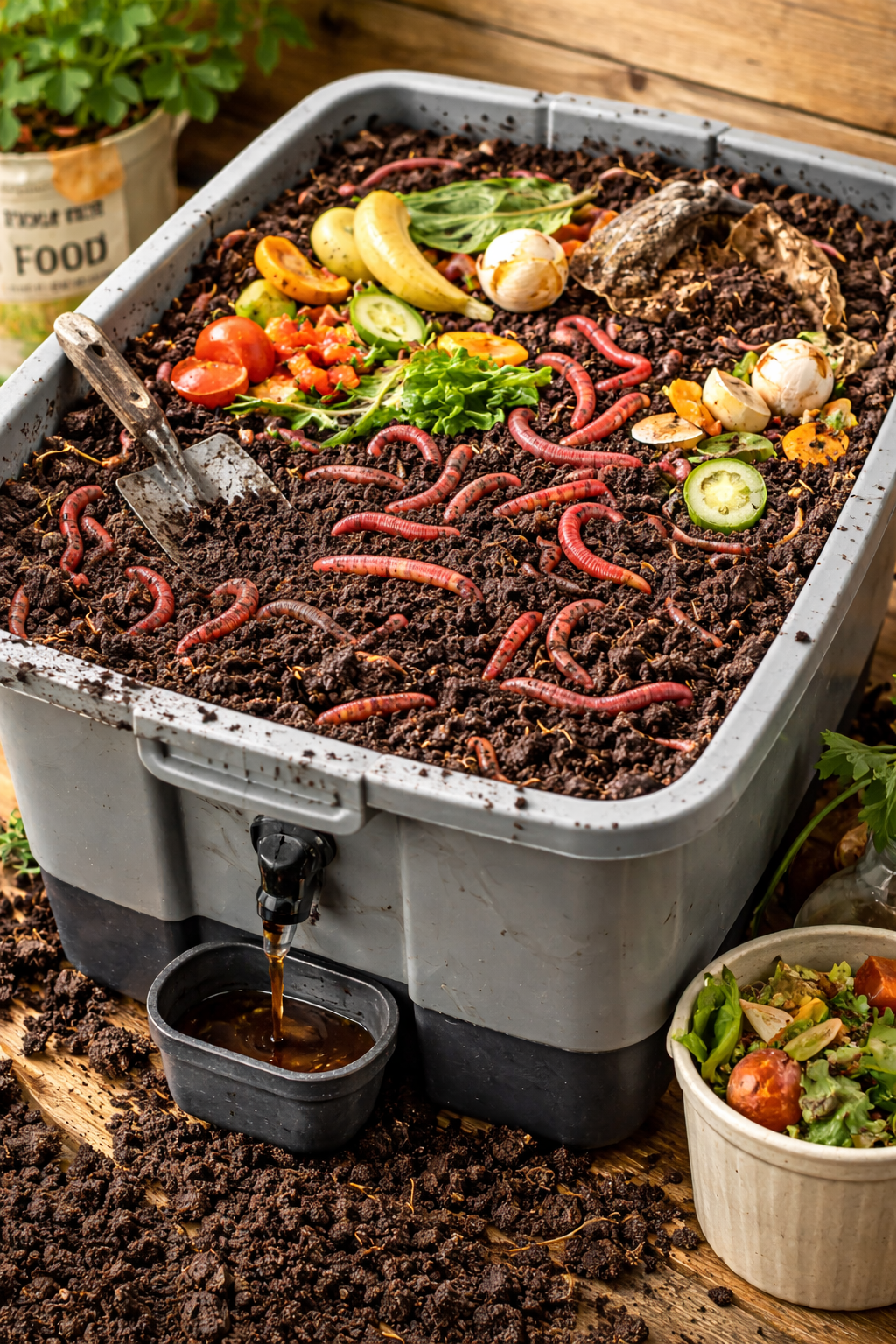

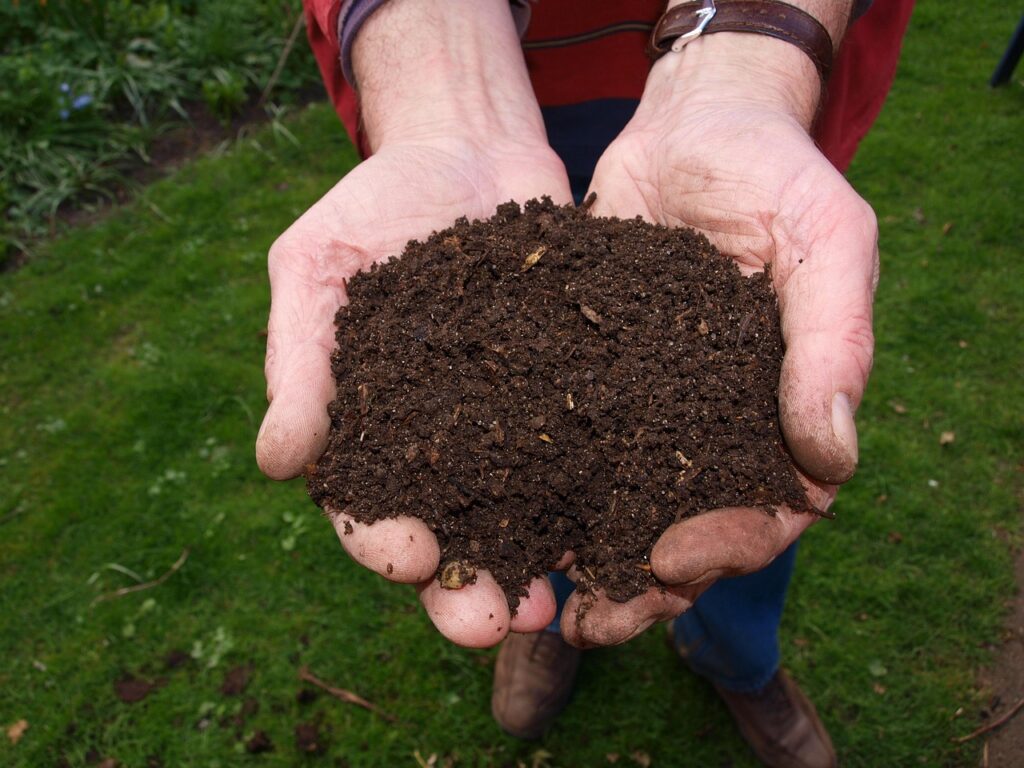
In the hierarchy of soil amendments, one substance stands above all others: Worm Castings. Often called “Black Gold” by professional horticulturists, these are not merely “dirt” they are a biological powerhouse.
Vermicomposting or worm composting is the process of using specific species of earthworms to transform organic waste into high-quality compost. Unlike traditional backyard composting, which relies on heat and mechanical turning, vermicomposting is a “cold” process driven by the digestive tracts of worms. In 2026, as urban living increases and waste management becomes more critical, vermicomposting has emerged as the most efficient way for individuals to reduce their carbon footprint from the comfort of their own kitchen.
Why Worm composting?
Worm composting is an aerobic process, but it is vastly different from a standard compost pile. When a worm consumes a piece of lettuce, the material passes through its gizzard, where it is ground up by small stones. In the intestine, the organic matter is colonized by a dense concentration of beneficial bacteria and enzymes.
The “Probiotic” Effect
The result is a “casting” (worm manure) that is coated in a thin layer of mucus. This mucus contains:
- Auxins and Cytokinins: Natural plant growth hormones.
- Chitinase: An enzyme that breaks down chitin, helping plants resist pests like aphids and whiteflies.
- Microbial Diversity: Castings contain 10x more microbes than the food the worm originally ate.
The Nutrient Density of Castings
To understand why you should invest time in worms, look at the numbers. Research conducted by agricultural universities consistently shows that worm castings outperform every other natural fertilizer.
| Nutrient/Property | Worm Castings | Average Topsoil | Enrichment Factor |
| Nitrogen (Available) | 70-100 mg/kg | 5-10 mg/kg | 10x |
| Phosphorus | 50-80 mg/kg | 10 mg/kg | 7x |
| Potassium | 800-1000 mg/kg | 80 mg/kg | 11x |
| Calcium | 1.5% | 0.2% | 7.5x |
| Magnesium | 0.5% | 0.05% | 10x |
The C:N Ratio
Worm castings typically have a Carbon-to-Nitrogen (C:N) ratio of 15:1 to 20:1. This is the “sweet spot” for plants; it is low enough that the nitrogen is immediately available to the roots, but high enough that it doesn’t “burn” the plant like synthetic fertilizers.
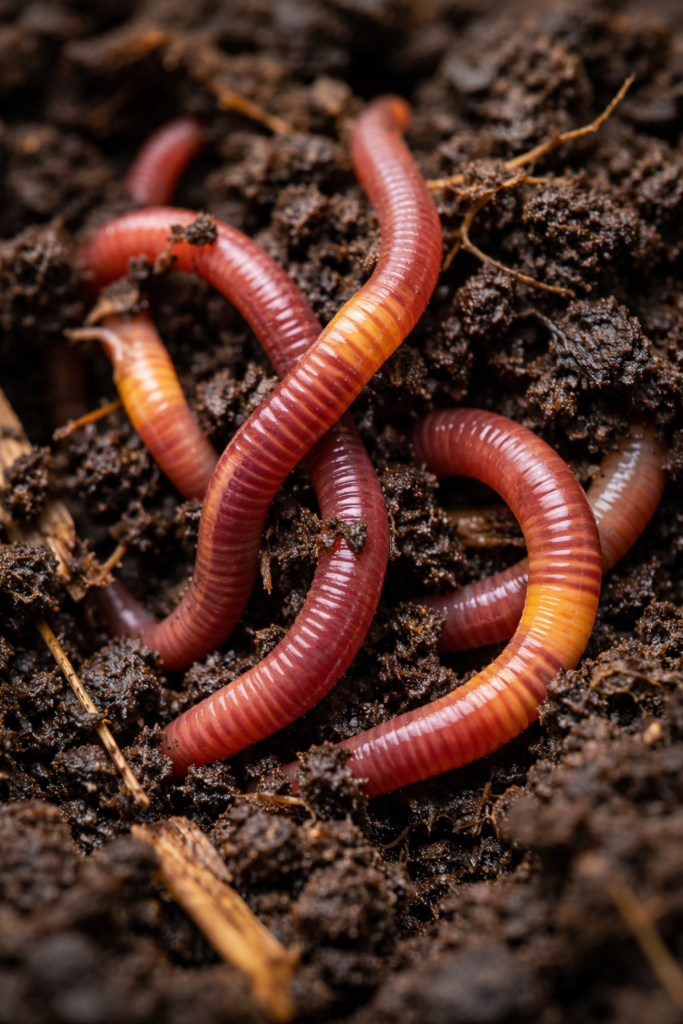
The Red Wiggler (Eisenia fetida)
You cannot simply go into your garden, dig up an earthworm, and put it in a bin. Standard earthworms are “anecic” (deep burrowers) and will die in a shallow bin.
For vermicomposting, you need Epigeic worms—surface dwellers.
- The Red Wiggler: The gold standard. They can eat half their body weight in food every day.
- European Nightcrawlers: Larger, better for aeration and fishing bait, but slower processors.
Worm Population Math: A healthy bin needs roughly 1,000 worms (1 pound) to start. Under ideal conditions, this population will double every 90 days.
The Anatomy of a Perfect Worm Bin
A successful worm bin must provide four things: darkness, moisture, oxygen, and bedding.
The “Bedding” (The Carbon Base)
Bedding is the “brown” material that mimics a forest floor.
- Shredded Cardboard: The best all-around option. The “corrugated” flutes provide air pockets.
- Coco Coir: Sustainable and holds moisture perfectly, though it lacks nutrients.
- Shredded Newspaper: Cost-effective, but ensure the ink is soy-based (most modern papers are).
Moisture Levels
Worms breathe through their skin. If the bin is too dry, they suffocate. If it’s too wet, they drown.
The Sponge Test: Squeeze a handful of bedding. Only 1 or 2 drops of water should come out. This represents approximately 70-80% moisture content.
Feeding the Bin.
Worms are “low-maintenance” pets, but they have specific dietary needs.
The “Yes” List.
- Fruit Scraps: Especially melons, berries, and bananas.
- Vegetable Peels: Carrots, squash, and leafy greens.
- Coffee Grounds: A great source of nitrogen (and the filters are fine too!).
- Crushed Eggshells: Crucial for “grit” to help their gizzards work and to balance pH.
The “No” List.
- Citrus & Onions: Too acidic. High levels of limonene in citrus can be toxic to worms in large quantities.
- Meat & Dairy: These won’t hurt the worms directly, but they will rot and cause foul odors and attract maggots/rodents.
- Oily Foods: Oils coat the worms’ skin and prevent them from breathing.
Common Pitfalls and Solutions.
If you find your worms crawling up the sides of the bin or trying to leave, the environment is toxic.
- Cause: Too acidic (pH < 6) or too hot.
- Solution: Add crushed eggshells to raise the pH. Ensure the bin is not in direct sunlight.
Also read: How to start composting.
Problem: Fruit Flies
- Cause: Exposed food on the surface.
- Solution: “Pocket Feeding.” Always bury new food at least 2 inches under the bedding. Cover the top of the bedding with a “worm blanket” (a sheet of damp newspaper or burlap).
| Condition | Ideal Range | Stress Point | Result |
| Temperature | 55°F – 77°F | > 90°F | Death/Melt |
| pH Level | 6.5 – 7.5 | < 5.0 | Acid burn |
| Moisture | 70% – 80% | < 40% | Dehydration |
Harvesting the Black Gold
After 3 to 6 months, your bin will look less like cardboard and more like dark, rich soil. There are three ways to harvest:
- The Light Method: Dump the bin on a tarp under a bright light. Worms hate light and will dive to the bottom. Scrape the top layer of castings off. Repeat until you are left with a ball of worms.
- The Migration Method: Move all the finished compost to one side of the bin and put fresh bedding and food on the other. Within two weeks, the worms will migrate to the “new house,” leaving the “old house” ready for harvest.
- Screening: Use a 1/4 inch mesh screen to sift out the worms and large chunks of undigested food.
Environmental Impact.
Why does this matter? According to the EPA, food waste is the single most common material sent to landfills, comprising 24% of municipal solid waste.
When you vermicompost 1 pound of food scraps, you are preventing:
- 0.5 lbs of Methane emissions (compared to landfill decay).
- Waste Transport Costs: Reducing the weight of your trash reduces the carbon footprint of garbage trucks.
Furthermore, worm castings serve as a Carbon Sink. By putting castings into your garden, you are locking atmospheric carbon into the soil in a stable, organic form.
Conclusion.
Vermicomposting is a partnership with nature’s most humble engineers. It requires very little plastic bin, some old cardboard, and a pound of worms, but it returns a product that is invaluable for the health of our planet and our gardens. By following this data-driven approach, you can eliminate waste, grow healthier food, and join the circular economy from your own home.

[…] Also read: How to start vermicomposting (worm composting). […]
[…] worms (Red Wigglers): These are the workhorses of any vermicompost system. You’ll need an initial “seed stock” of worms. A good rule is 1 lb of worms (about […]