
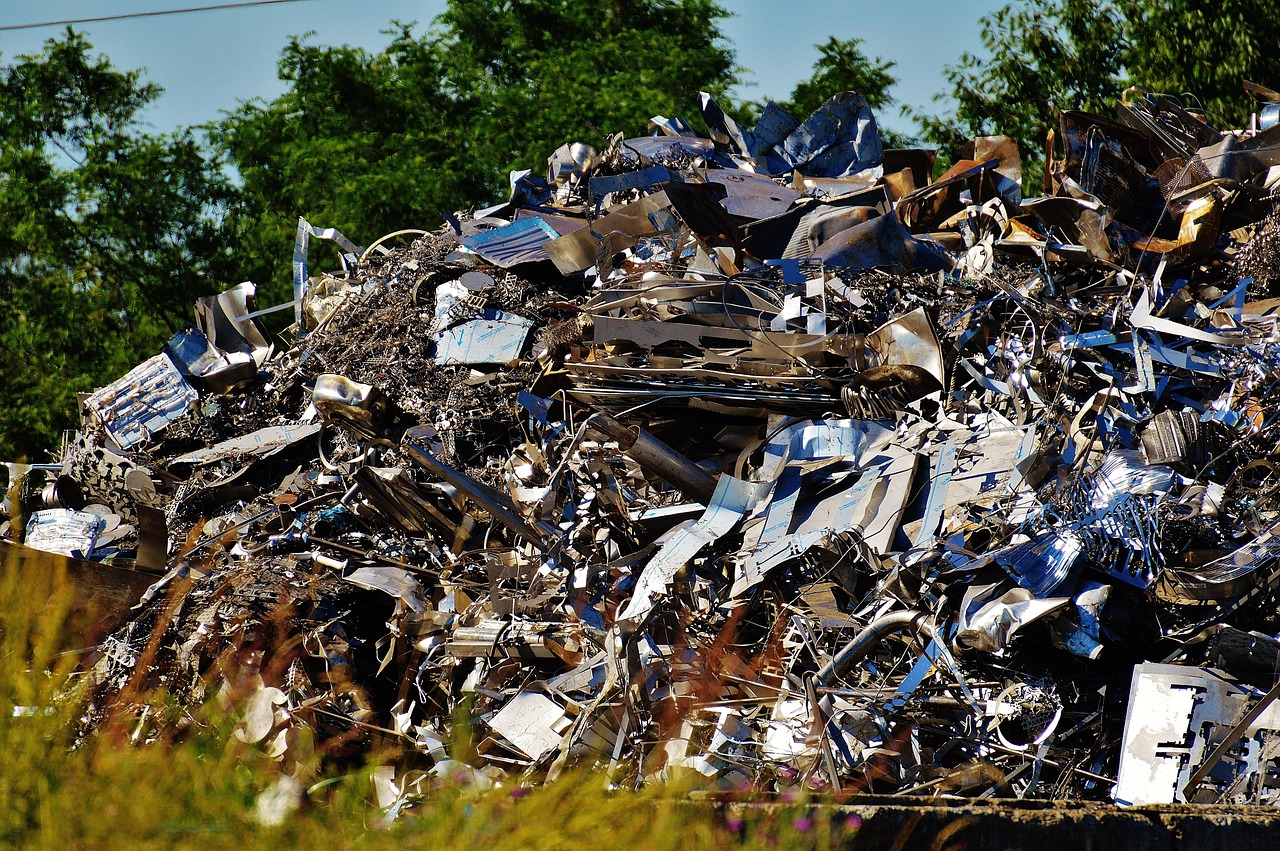

Starting a scrap metal recycling business can be a lucrative venture, given the continuous demand for raw materials and the environmental benefits of recycling. However, like any business, it requires careful planning, significant capital investment, and a thorough understanding of the market. This guide will walk you through the startup costs, potential profits, and essential steps to establish a successful scrap metal recycling operation.
The Scrap Metal Market.
The global scrap metal market is a multi-billion dollar industry, driven by manufacturing, construction, and infrastructure development. Recycling scrap metal reduces the need for virgin ore mining, saving energy, water, and reducing greenhouse gas emissions. This environmental advantage, coupled with the economic benefits, ensures a steady demand for recycled metals.
Key Drivers of the Scrap Metal Market:
- Industrial Production: Steel mills, foundries, and manufacturers rely heavily on scrap metal as a raw material.
- Infrastructure Development: Construction projects, particularly in developing economies, create significant demand for steel and other metals.
- Automotive Industry: The production and end-of-life recycling of vehicles are major sources and consumers of scrap metal.
- Technological Advancements: New technologies for sorting and processing enhance the value and versatility of recycled metals.
- Environmental Regulations: Increasing pressure to reduce carbon footprints and promote sustainability boosts the appeal of recycling.
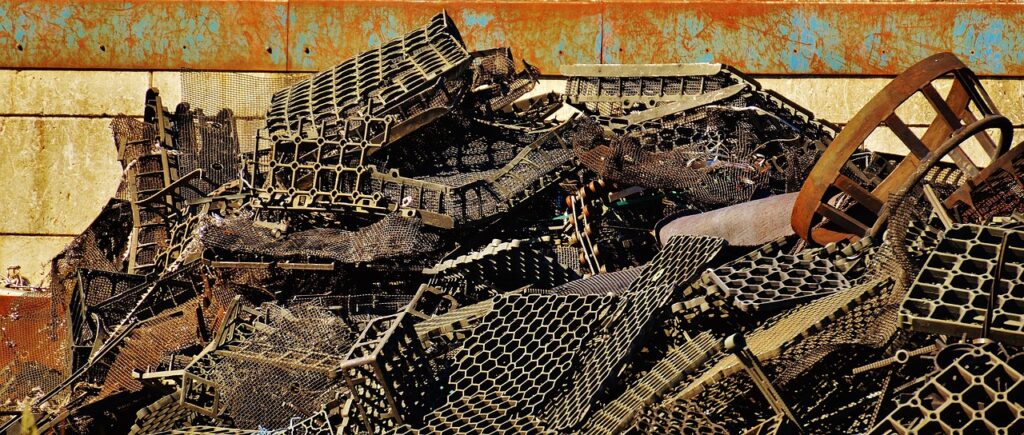
Startup Costs for Scrap Metal Recycling Business
The initial investment for a scrap metal recycling business can vary widely depending on the scale of operations, location, and the type of equipment purchased. Here’s a breakdown of the typical startup costs:
1. Land and Facility.
This is often the largest single expense. You’ll need a suitable plot of land for sorting, processing, and storing scrap metal. The size will depend on your anticipated volume.
- Land Purchase/Lease: Prices vary drastically by location.
- Urban/Industrial Areas: High cost due to demand.
- Rural/Outskirts: Lower cost but potential logistical challenges.
- Site Preparation: This includes grading, paving, fencing, and ensuring proper drainage to prevent contamination.
- Office/Workshop Space: For administration, maintenance, and employee facilities.
Estimated Cost: $100,000 – $1,000,000+ (for land purchase, significantly less for leasing)
2. Equipment.
This is where a substantial portion of your capital will be allocated. The type of equipment you need depends on whether you plan to specialize in certain metals or offer a full range of services.
Essential Equipment:
- Scales: Truck scales for weighing incoming and outgoing materials, and smaller platform scales for individual items.
- Cost: $10,000 – $50,000 (truck scale), $1,000 – $5,000 (platform scales).
- Material Handlers/Excavators with Grapples: For loading, unloading, and moving large volumes of scrap.
- Cost: $100,000 – $500,000 (new), $50,000 – $200,000 (used).
- Forklifts: For handling smaller bundles and moving materials around the yard.
- Cost: $20,000 – $60,000 (new), $10,000 – $30,000 (used).
- Shears/Balers: To process and compact metal for efficient transport and higher prices.
- Shears (Hydraulic, Alligator): For cutting larger pieces of metal. Cost: $10,000 – $200,000+.
- Balers (Horizontal, Vertical): For compacting light gauge metals (e.g., aluminum cans, car bodies). Cost: $30,000 – $500,000+.
- Magnets: For separating ferrous from non-ferrous metals.
- Cost: $1,000 – $10,000 (handheld/small), $10,000 – $50,000+ (overhead/electromagnets)
- Spectrometers/Metal Analyzers: For identifying specific alloys and ensuring quality control.
- Cost: $10,000 – $50,000
- Transportation: Trucks for collection and delivery.
- Roll-off Trucks: For picking up containers from industrial clients. Cost: $80,000 – $200,000 (new), $30,000 – $100,000 (used)
- Flatbed Trucks: For transporting processed scrap. Cost: $50,000 – $150,000 (new), $20,000 – $70,000 (used)
Estimated Total Equipment Cost: $250,000 – $1,500,000+.
3. Licenses and Permits.
The scrap metal industry is heavily regulated to prevent theft and ensure environmental compliance.
- Business License: General operating license.
- Environmental Permits: Air quality, stormwater discharge, hazardous waste permits (if applicable).
- Scrap Dealer License: Specific to the industry, often involves background checks.
- Zoning Permits: To ensure your facility complies with local land-use regulations.
- Fire Safety Permits: For storage of flammable materials.
- Scales Certification: Regular calibration and certification of your weighing equipment.
Estimated Cost: $5,000 – $50,000 (depending on location and complexity).
4. Initial Inventory.
While you’re technically buying inventory, you’ll need some initial capital to purchase scrap before you can process and sell it.
Estimated Cost: $10,000 – $100,000 (revolving capital)
5. Insurance.
Comprehensive insurance is crucial to protect against various risks.
- General Liability: Covers accidents and injuries on your property.
- Property Insurance: Protects your facility and equipment.
- Commercial Auto Insurance: For your fleet of trucks.
- Workers’ Compensation: Mandatory for employees.
- Environmental Liability: Crucial for potential contamination issues.
Estimated Cost: $10,000 – $50,000 per year
6. Marketing and Advertising.
To attract suppliers (individuals, businesses, industrial clients) and buyers.
- Website Development: Essential for online presence.
- Local Advertising: Flyers, newspaper ads, radio.
- SEO/Digital Marketing: To be found online.
- Networking: Building relationships with industrial generators of scrap.
Estimated Cost: $5,000 – $20,000 initially.
7. Working Capital
Covers operational expenses during the initial months before significant revenue is generated.
- Salaries and Wages: For employees (operators, sorters, administrative staff).
- Utilities: Electricity, water, internet.
- Fuel: For equipment and trucks.
- Maintenance: Routine upkeep of machinery.
- Office Supplies:
Estimated Cost: $50,000 – $200,000 (for 3-6 months of operations).
Summary of Startup Costs Table:
| Category | Low Estimate ($) | High Estimate ($) |
| Land & Facility | 100,000 | 1,000,000+ |
| Equipment | 250,000 | 1,500,000+ |
| Licenses & Permits | 5,000 | 50,000 |
| Initial Inventory | 10,000 | 100,000 |
| Insurance (Annual) | 10,000 | 50,000 |
| Marketing & Advertising | 5,000 | 20,000 |
| Working Capital | 50,000 | 200,000 |
| Total Startup Cost | 430,000 | 2,920,000+ |
Note: These figures are broad estimates and can vary significantly based on specific business models, geographic location, and whether new or used equipment is purchased.
Funding Your Scrap Metal Business.
Given the high startup costs, securing financing is crucial.
- SBA Loans: Small Business Administration loans offer favorable terms for qualified businesses.
- Commercial Bank Loans: Traditional loans from financial institutions.
- Equipment Financing: Loans specifically for purchasing machinery, often with the equipment itself as collateral.
- Venture Capital/Angel Investors: For larger, more ambitious ventures with strong growth potential.
- Self-Funding/Personal Savings: If you have substantial capital.
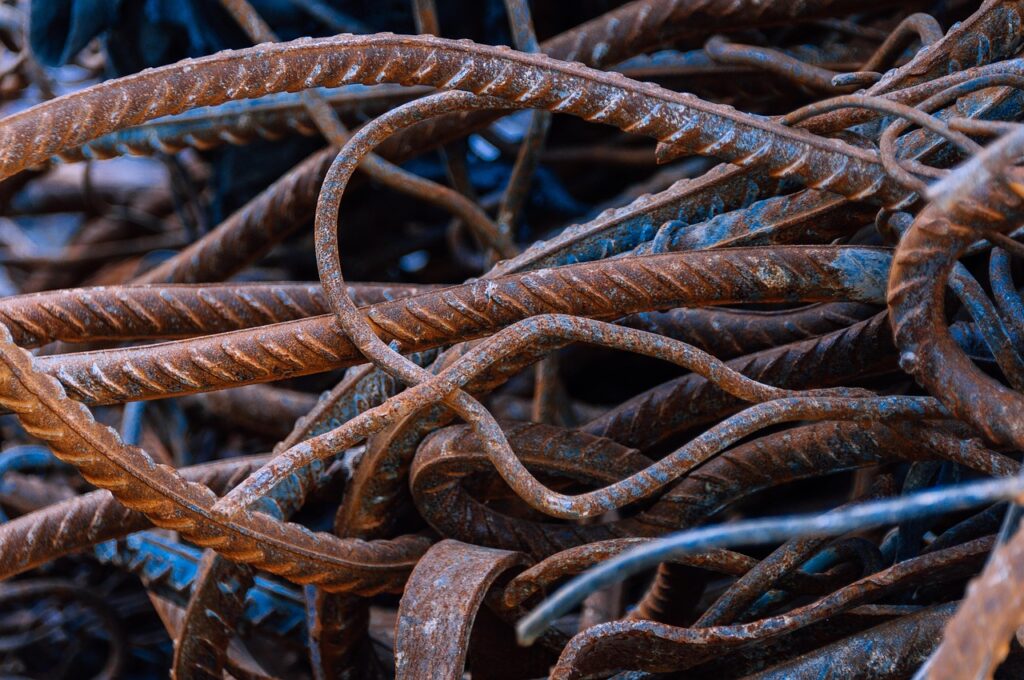
Revenue Streams & Margins
The profitability of a scrap metal recycling business depends on several factors: the volume of material processed, the spread between purchase and sale prices, operational efficiency, and market fluctuations.
Revenue Streams:
- Selling Processed Scrap Metal: The primary revenue source. You buy raw scrap, process it (sort, clean, cut, bale), and sell it to end-users (steel mills, foundries, smelters).
- Container Services: Charging industrial clients for providing and servicing roll-off containers for their scrap.
- Demolition Services: If you expand into dismantling structures and salvaging metals.
- Specialty Metal Processing: Focusing on high-value metals like copper, brass, aluminum alloys, and precious metals.
Factors Influencing Profitability:
- Commodity Prices: Metal prices fluctuate daily based on global supply and demand, economic indicators, and geopolitical events. This is the biggest variable.
- Purchase Price: Your ability to source scrap at competitive prices directly impacts your margins.
- Processing Efficiency: How effectively you sort, clean, and prepare materials reduces costs and increases the value of your output.
- Transportation Costs: Fuel and logistics can eat into profits, especially for large volumes.
- Market Relationships: Strong relationships with both suppliers and buyers can secure better deals.
- Quality Control: Accurate identification and segregation of metals prevent contamination and ensure higher selling prices.
Example Profit Margin Breakdown:
Let’s consider a simplified example of processing ferrous scrap (e.g., steel).
| Item | Value (per ton) |
| Purchase Price | $200 |
| Processing Costs | |
| Labor | $30 |
| Fuel/Energy | $15 |
| Maintenance | $5 |
| Total Processing | $50 |
| Total Cost | $250 |
| Sale Price | $300 |
| Gross Profit | $50 |
| Gross Margin | 16.7% |
This is a highly simplified example. Non-ferrous metals (copper, aluminum) typically have much higher per-ton values and different margin structures.
Annual Revenue Potential.
A medium-sized scrap yard processing 5,000 to 10,000 tons of mixed scrap per year could generate:
- Low Estimate: 5,000 tons x $50 (average gross profit per ton) = $250,000
- High Estimate: 10,000 tons x $70 (average gross profit per ton, assuming better mix) = $700,000
From this gross profit, you would deduct overheads like rent/lease, administrative salaries, insurance, marketing, and loan repayments to arrive at your net profit.
Industry Data Points:
- Average Net Profit Margin: Can range from 3% to 15% in the scrap metal industry, depending on market conditions, operational efficiency, and the type of metals handled.
- Revenue per Employee: Can range from $200,000 to $500,000+ annually, highlighting the capital-intensive nature of the business.
Factors for Maximizing Profitability.
- Diversification: Handle both ferrous and non-ferrous metals. Non-ferrous metals often have higher margins per pound.
- Specialization: Become an expert in specific high-value alloys.
- Efficient Processing: Invest in modern equipment that can process materials quickly and effectively, minimizing labor and energy costs.
- Strong Supplier Relationships: Develop long-term relationships with industrial generators of scrap for consistent, high-volume supply.
- Market Timing: Understand metal commodity markets to buy low and sell high, though this is challenging.
- Value-Added Services: Offer services like on-site cleanups, demolition, or container services.
- Lean Operations: Minimize waste, optimize logistics, and control overheads.
Also read: 5 Ways To Start Trash Business With Under $5,000
Essential Steps to Start Your Business
1. Business Plan Development
A detailed business plan is your roadmap to success. It should cover:
- Executive Summary: Overview of your business, goals, and strategies.
- Company Description: What your business does, mission, vision, legal structure.
- Market Analysis: Industry overview, target customers, competition, market trends.
- Services: What types of scrap you’ll handle, how you’ll process it.
- Marketing & Sales Strategy: How you’ll attract suppliers and buyers.
- Operations Plan: Facility layout, equipment, processing procedures, logistics.
- Management Team: Your experience and the team you’ll build.
- Financial Projections: Startup costs, revenue forecasts, profit & loss statements, cash flow.
2. Legal Structure & Registration
Choose a legal entity (sole proprietorship, LLC, corporation) and register your business with the relevant authorities.
3. Secure Funding
Based on your business plan, approach lenders or investors.
4. Site Selection & Setup
Find a suitable location, acquire the land/lease, and prepare the site (fencing, paving, drainage).
5. Equipment Acquisition
Purchase or lease necessary machinery. Consider used equipment initially to save costs, but ensure it’s in good working condition.
6. Obtain Licenses & Permits
This can be a lengthy process. Start early and ensure full compliance with all local, state, and federal regulations.
7. Hire and Train Staff
You’ll need skilled operators for heavy machinery, sorters, administrative staff, and truck drivers. Emphasize safety training.
8. Establish Supplier & Buyer Networks
- Suppliers: Reach out to manufacturing plants, construction companies, demolition contractors, auto repair shops, other smaller scrap collectors, and the general public.
- Buyers: Connect with steel mills, foundries, smelters, and brokers.
9. Implement Safety Protocols
The scrap yard environment can be dangerous. Develop and enforce strict safety procedures, provide personal protective equipment (PPE), and conduct regular safety training.
10. Install Management Systems
- Inventory Management: Track incoming and outgoing materials, types, weights, and values.
- Accounting Software: Manage finances, payroll, invoicing.
- CRM (Customer Relationship Management): For managing supplier and buyer relationships.

Key Challenges in the Scrap Metal Business
- Volatile Commodity Prices: Metal prices can fluctuate wildly, impacting margins.
- Environmental Compliance: Strict regulations require significant investment in pollution control and diligent record-keeping.
- Theft: Scrap metal, especially copper, is a target for thieves. Security measures are crucial.
- Competition: You’ll compete with established scrap yards.
- Capital Intensity: The high cost of land and equipment is a barrier to entry.
- Logistics: Managing the efficient transport of large volumes of material.
- Hazardous Materials: Dealing with potential hazardous waste mixed in with scrap requires specialized handling.
Conclusion
A scrap metal recycling business offers a promising path to entrepreneurship with strong demand and environmental benefits. While the initial startup costs are substantial, ranging from approximately $430,000 to over $2.9 million for a comprehensive operation, the potential for significant profits is real. Success hinges on a robust business plan, strategic equipment investment, strict adherence to regulations, efficient operations, and strong relationships with both suppliers and buyers. By navigating the challenges and leveraging market opportunities, you can build a profitable and sustainable enterprise in the vital scrap metal recycling industry.




[…] Also read: How To Start a Scrap Metal Recycling Business. […]