
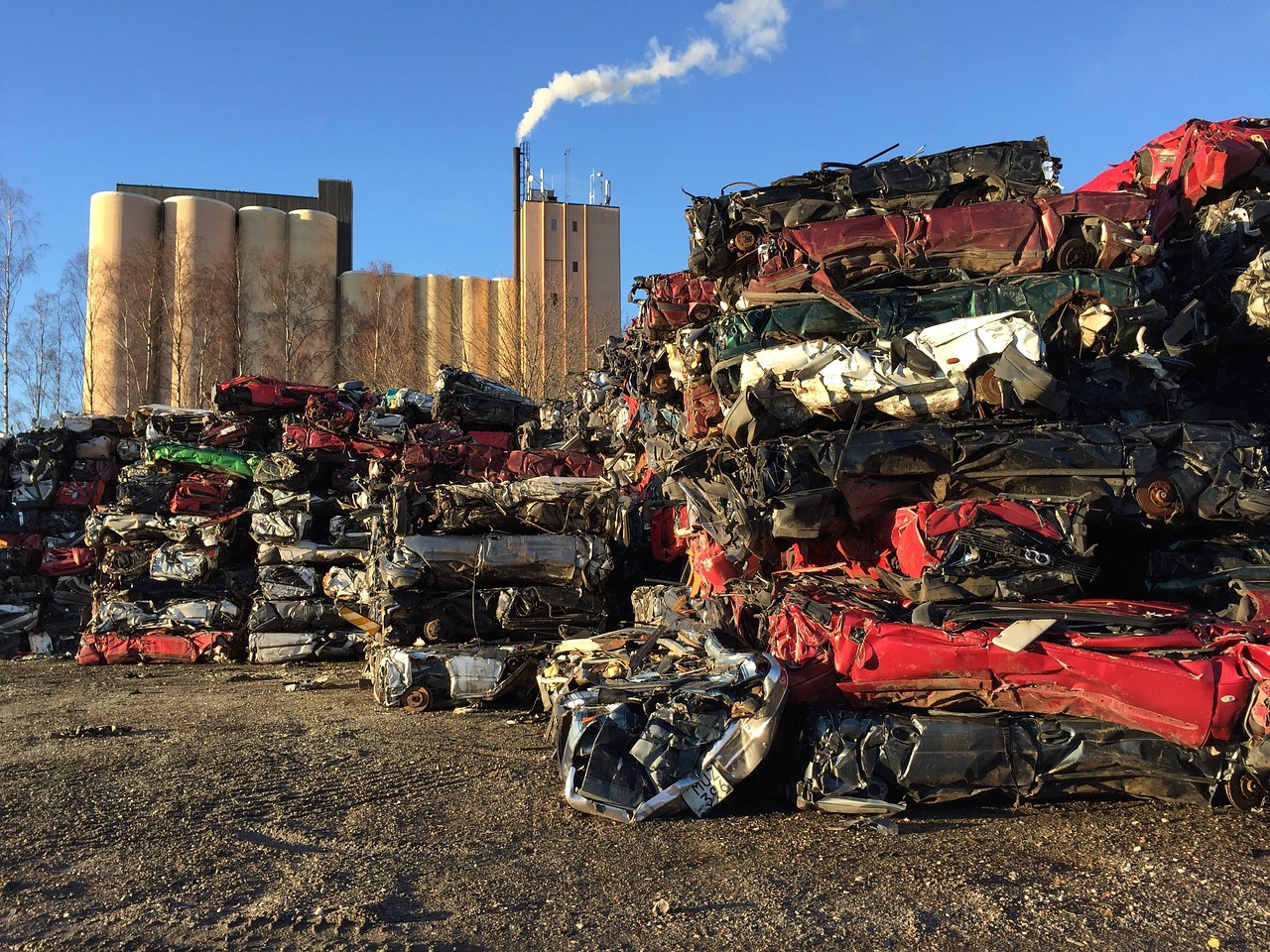

Scrap yards are loud, dirty, and dangerous, and that’s exactly why they pay more than people expect. While most Americans overlook these industrial hubs, thousands of workers are earning a steady, respectable income by handling the metal society discards.
If you aren’t afraid to get your hands dirty, the scrap industry offers a level of financial stability that many “cleaner” entry-level jobs simply can’t match. This guide breaks down the real numbers behind the iron pile.
Average Scrap Yard Worker Salary in the US
Most scrap yard compensation is hourly, meaning your paycheck is directly tied to your time on the floor. Pay scales vary based on your specific role, the cost of living in your area, and your technical experience.
Typical Pay Ranges:
- Entry-Level Laborer: $14 – $18 / hour
- Experienced Sorter/Cutter: $18 – $25 / hour
- Specialized Equipment Operator: $22 – $30 / hour
In annual terms, most workers land between $30,000 and $55,000 per year. While this isn’t Silicon Valley money, it is a stable, recession-proof income with almost zero educational barriers.
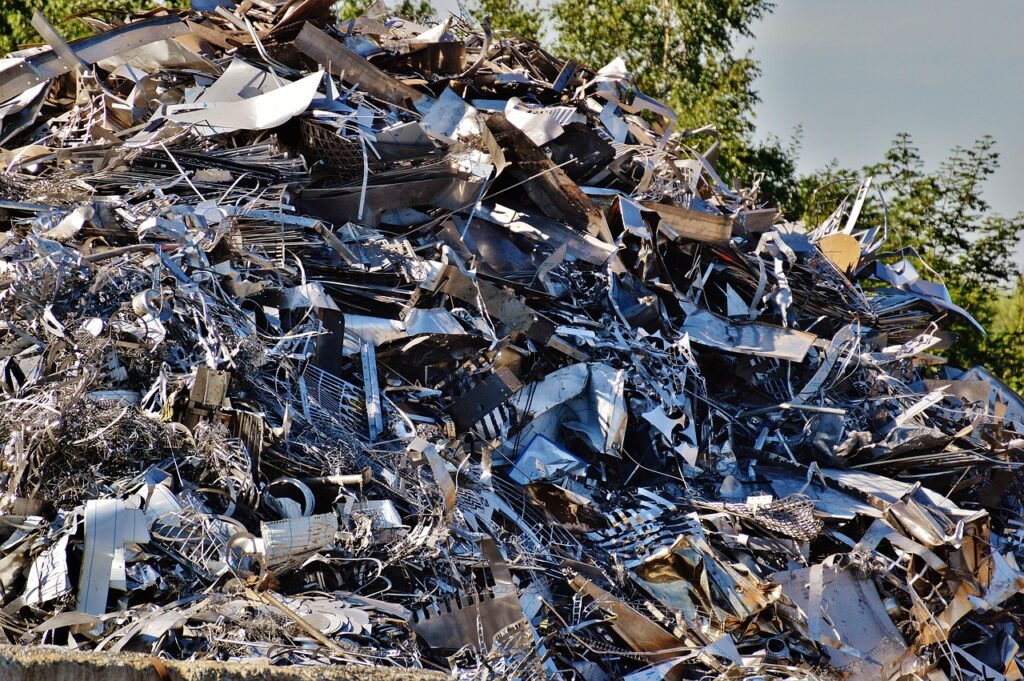
What the Work Actually Looks Like
A scrap yard is a complex ecosystem. It isn’t just “moving junk”; it requires a specific set of skills to keep the operation profitable and safe.
Common Positions Include:
- Metal Sorters: Identifying and separating ferrous from non-ferrous metals.
- Scale Operators: Managing the weigh-ins and payouts for incoming scrap.
- Torch Cutters: Using industrial torches to break down massive structures.
- Heavy Equipment Operators: Driving forklifts, magnets, and grapples.
The Golden Rule of the Yard: The more dangerous or technical the task, the higher the hourly rate. If you stay stuck sweeping the yard, your pay stays low. To earn more, you have to “skill up.”
The Highest-Paying Roles in the Industry
If you want to maximize your earnings, you need to move toward specialized machinery or management.
| Position | Estimated Pay |
| Crane Operator (Magnet/Grapple) | $25 – $30 / hour |
| Industrial Torch Cutter | $20 – $28 / hour |
| Heavy Equipment Mechanic | $25 – $35 / hour |
| Yard Manager / Supervisor | $60,000 – $90,000 / year |
Does Location Matter?
Absolutely. Scrap pay is heavily influenced by regional industrial activity. States with heavy manufacturing and high scrap volume typically offer the best wages.
Top-Paying Regions:
- Texas & Illinois: High industrial and construction volume.
- Ohio & Michigan: The heart of the automotive recycling world.
- California & Pennsylvania: Strong union presence and strict safety standards often drive up base pay.
While rural yards may pay less per hour, they often offer more consistent, long-term hours compared to volatile urban markets.
Overtime: The “Hidden” Pay Boost
Scrap yards don’t shut down neatly at 5:00 PM. Between emergency industrial cleanups, seasonal spikes in metal prices, and massive shipments arriving late, overtime is a constant reality.
Workers who are willing to handle hazardous materials, cover night shifts, or work weekends often see their total take-home pay increase by 10% to 25% through time-and-a-half pay.
Why the Pay is Higher Than You’d Expect
In a world where many people want remote, air-conditioned work, scrap yards have to pay a premium to attract and retain talent.
- Injury Risk: Handling jagged metal and heavy machinery is inherently risky.
- Skill Shortage: There is a massive shortage of people who actually know how to operate a scrap crane or use an oxygen-acetylene torch.
- The Turnover Tax: Many people quit within the first week. Those who show up every day and prove their reliability are rewarded with quick raises.
Also read: Are Trash and Recycling Jobs Recession-Proof?
The Bottom Line
Scrap yard work is a trade-off. You trade physical comfort for income security. It is an industry that is largely ignored by the general public, and that’s exactly why the opportunity remains so high.
If you can handle the heat, the noise, and the grit, you can build a career that leads from the sorting pile to yard management—or even owning your own hauling business.




[…] you want to understand the waste resale market, you must stop looking at the object and start looking at the commodity. This guide breaks down the […]