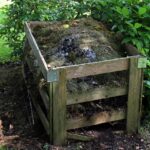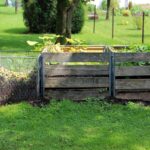
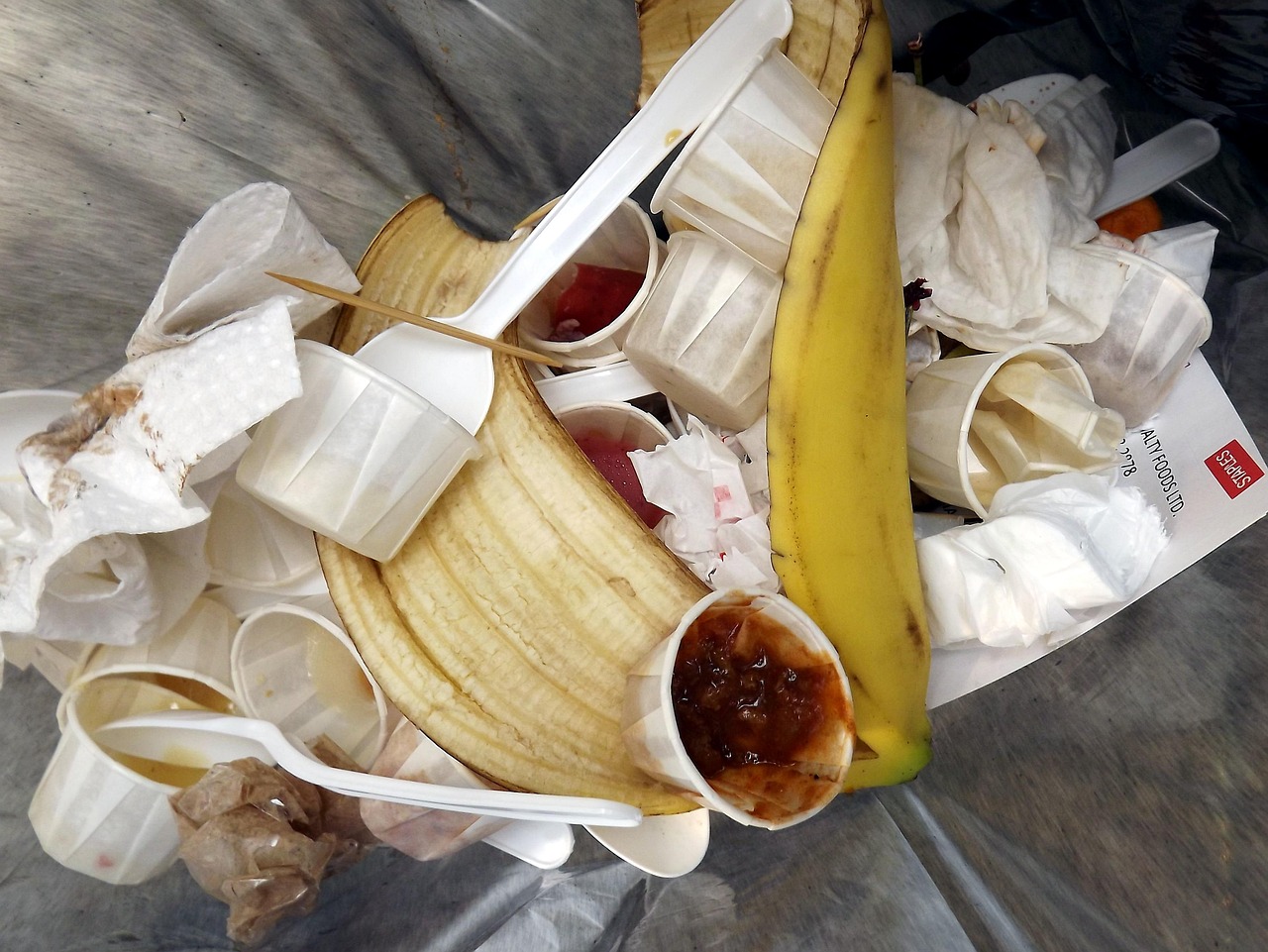

In the high-pressure world of the culinary industry, “efficiency” has traditionally been measured by ticket times and plate costs. However, as we move through 2026, a new metric has emerged as a cornerstone of operational excellence: waste diversion. For the modern establishment, composting for restaurants is no longer a niche “green” initiative, it is a sophisticated strategy to combat rising landfill taxes, meet stringent environmental regulations, and satisfy a consumer base that demands transparency.
The statistics are a wake-up call for the hospitality sector. Recent data suggests that nearly 40% of all food produced never reaches a human stomach, with a significant portion of that loss occurring in commercial kitchens. When this organic matter is sent to a landfill, it becomes a liability.
Why Composting Matters in 2026
The scale of food waste in the hospitality sector is staggering. According to 2025 data from the Waste and Resources Action Programme (WRAP) and the EPA, restaurants generate approximately 12.5 million tons of surplus food annually. Of this, nearly 85% has historically been sent to landfills or incinerators.
Global Impact Data (2025-2026 Estimates)
- Methane Contribution: Food waste in landfills accounts for roughly 14% of human-related methane emissions.
- Economic Loss: The global value of wasted food is estimated at $1.2 trillion.
- Restaurant Specifics: On average, a restaurant loses 4% to 10% of its total food purchases to pre-consumer and post-consumer waste.
The Legislative Push
Governments are no longer making composting optional. In the UK, the 2025 Waste Legislation now mandates that all businesses separate food waste from general waste. Similarly, in the EU, Directive 2025/1892 requires a 30% per capita reduction in food waste across the catering sector by 2030. In the US, states like California and Maine have established “Organics Bans,” requiring large-volume generators to divert food scraps to composting or anaerobic digestion facilities.
ROI and Savings
Many operators view composting as a cost center. However, data from BlueCart and ReFED shows that sustainable restaurants save an average of $27,000 per year after investing less than $6,000 in waste management programs.
Financial Breakdown of Composting vs. Landfilling
| Category | Landfill Disposal (Standard) | Composting Program (Optimized) |
| Hauling Fees | High (charged by weight/volume) | Reduced (diverted weight) |
| Tipping Fees | $50 – $100 per ton | $30 – $60 per ton (varies by region) |
| Food Cost Recovery | 0% | 2% – 5% (via waste audits) |
| Marketing Value | Neutral | High (Eco-conscious branding) |
| Staff Morale | Low impact | High (Shared mission) |
Key Statistic: Since 74% of a restaurant’s waste stream is typically compostable organic material, diverting this weight significantly reduces “wet waste” fees, which are the most expensive portion of a waste contract.
Also read: What is Bokashi Composting?
Comparing Composting Technologies for Restaurants
There is no “one-size-fits-all” solution. The right system depends on your square footage, local climate, and waste volume.
Industrial vs. On-Site Solutions
| System Type | Best For | Pros | Cons |
| Commercial Hauling | Urban restaurants | No space required; hassle-free. | Monthly service fees. |
| In-Vessel (IVC) | Large resorts/Hotels | Fully automated; handles meat/dairy. | High initial capital cost. |
| Bokashi (EMO) | Small cafes | Odor-free; fits under a counter. | Requires secondary soil burial. |
| Mechanical Digesters | High-volume kitchens | 24-hour processing; volume reduction. | High electricity usage. |
| Vermicomposting | Educational/Small-scale | High-quality fertilizer production. | Sensitive to citrus and oils. |
The 5-Step Operational Roadmap
To successfully implement composting for restaurants, you must treat the process with the same rigour as your HACCP or food safety protocols. Below is the operational framework for a high-volume kitchen.
Step 1: Conduct a 7-Day “Waste Stream Audit”
Before a single bin is placed, you must know what you are throwing away.
- Method: For one week, separate waste into three buckets: Prep Waste (peels/ends), Spoiled Inventory (expired items), and Plate Waste (scraps from customers).
- The Data Goal: Identify if your waste is 70% “Greens” (nitrogen-rich food) or if you have a high volume of “Browns” (paper napkins/cardboard). This determines your C:N balancing needs.
Also read: How to start composting
Step 2: Establish Source Separation Stations
The most common point of failure is “contamination” (plastic getting into the compost).
- Placement: Place “Slim Jim” green bins directly at prep tables and the dish-scraping station.
- The “Double-Bin” Rule: Never place a compost bin alone. Always pair it with a trash bin so staff aren’t forced to throw plastic into the compost because it’s the closest option.
Step 3: Master the “Moisture-to-Air” Balance
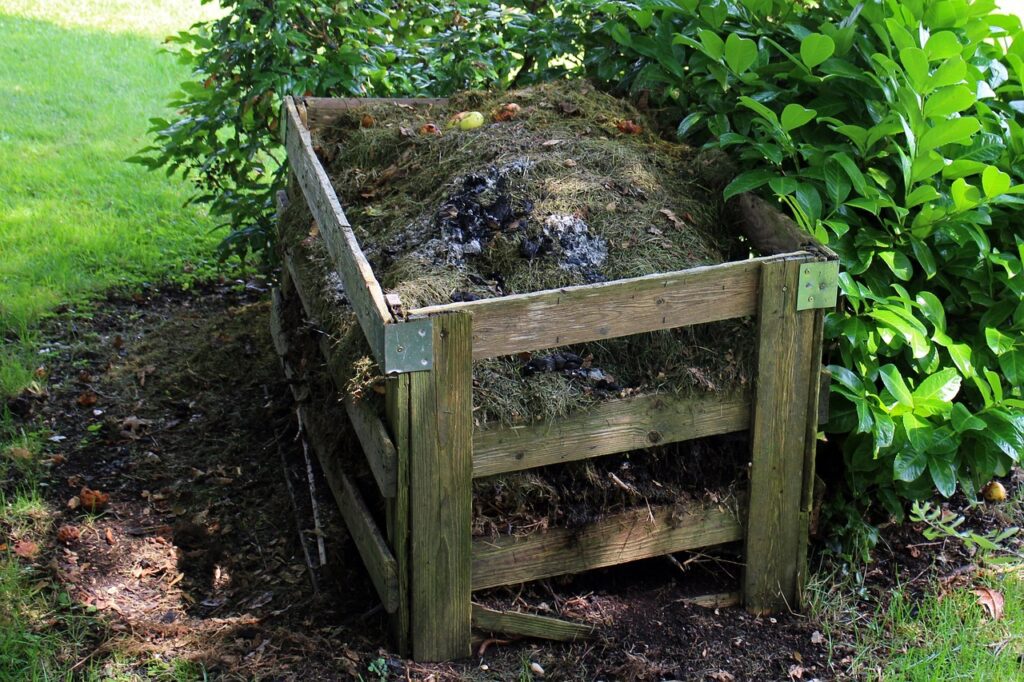
Restaurant waste is notoriously “wet.” If you are composting on-site, managing the Physical Structure is key.
- Bulk it Up: For every 10 lbs of food waste, add 2 lbs of “bulking agent” like wood chips or shredded cardboard. This creates air pockets to prevent the bin from becoming anaerobic.
- The Target: Use a moisture meter to keep the pile between 55% and 65%.
Step 4: Temperature Monitoring (The 131°F Rule)
If you are handling meat or dairy, you must reach thermophilic temperatures.
- Data Figure: Pathogens like E. coli and Salmonella are destroyed when the compost reaches 131°F for at least three consecutive days.
- Tooling: Use a long-stem compost thermometer and log the temperatures daily to ensure compliance with local health department organic waste standards.
Step 5: The “Curing” Phase
Raw compost is not fertilizer; it is “active” organic matter that can actually harm plants if used too early.
- Timeline: Once the pile stops heating up, let it “cure” (rest) for 4 to 8 weeks. This stabilizes the pH and allows beneficial fungi to colonize the material.
Data-Rich “Quick Guide” for Staff
| Action | Best Practice | Why? |
| Scraping | Use a rubber spatula | Minimizes water weight in the bin |
| Liners | Use BPI-Certified bags only | Standard plastic ruins the entire batch |
| Odor Control | Layer with “Browns” nightly | Carbon acts as a filter for ammonia smells |
| Grit | Add eggshells | Helps worms or microbes process food faster |
Overcoming Common Challenges
Odor and Pests
This is the #1 concern for restaurant managers. Modern In-Vessel systems and Mechanical Decomposers are designed to be airtight and reach thermophilic temperatures that kill pathogens and deter pests. For smaller operations, Bokashi fermentation pickles the food scraps, making them unappealing to rodents.
Space Constraints
In dense urban areas, on-site composting is often impossible. The solution is Collaborative Hauling. Several neighboring restaurants can share a centralized “organics-only” dumpster, reducing the individual cost of specialized pick-ups.
The Data on Marketing and Consumer Perception
A 2025 survey indicated that 72% of diners are more likely to choose a restaurant that demonstrates active waste reduction.
- Menu Notes: Adding “We compost 100% of our kitchen scraps” increases brand loyalty.
- Transparency: Sharing monthly stats (e.g., “500 lbs diverted from landfill”) on social media creates a tangible connection with customers.
Conclusion.
Composting for restaurants is transitioning from a “green luxury” to a “lean operational necessity.” By leveraging data-driven waste audits and selecting the appropriate technology, whether that is an on-site mechanical digester or a regional hauling partnership, restaurants can significantly improve their bottom line while meeting the rigorous environmental standards of 2026.
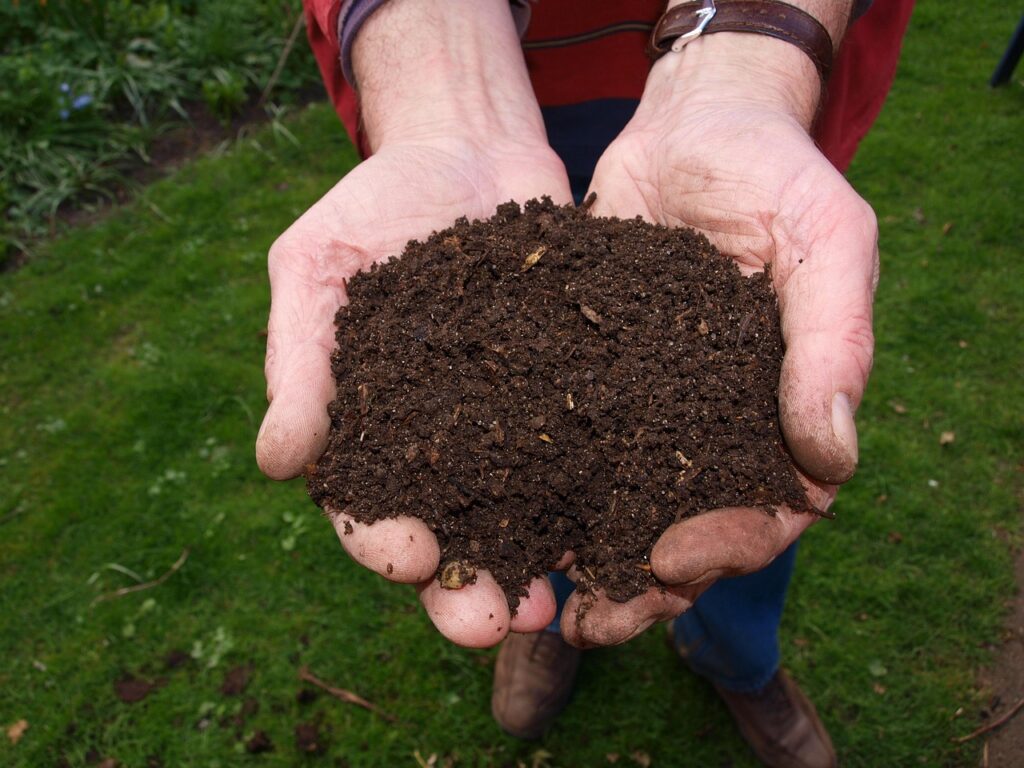
The “Black Gold” produced from your kitchen scraps is more than just fertilizer; it is a testament to an efficient, responsible, and future-proof business model.