

Achieving Zero Waste and Maximum Profit
The most successful restaurants aren’t just defined by their Michelin stars or their Instagrammable interiors, they are defined by their efficiency. With global food prices fluctuating and environmental legislation like the “Circular Economy Act” becoming the norm, food waste has shifted from a minor “cost of doing business” to a critical metric of operational health.
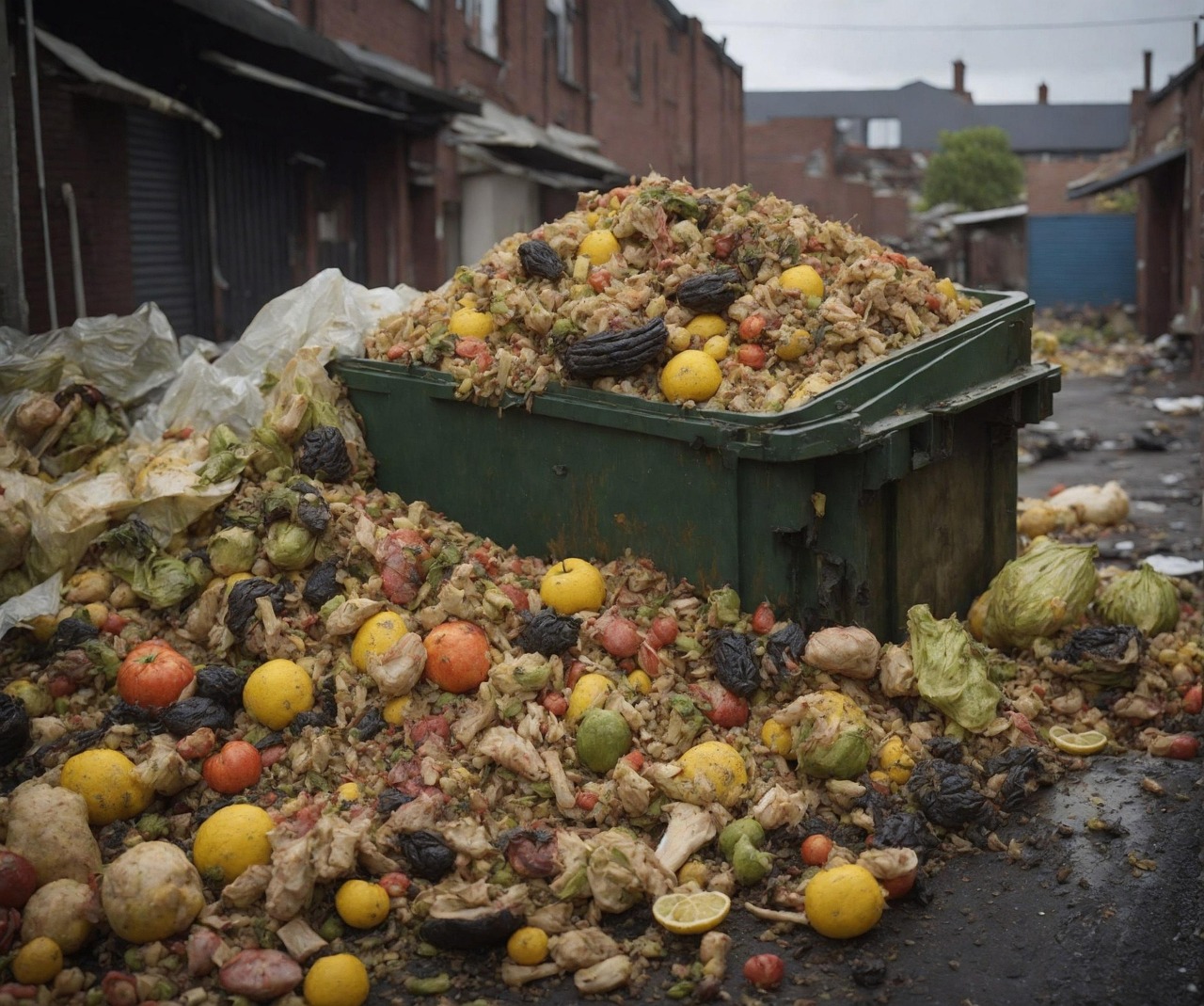
Every year, the hospitality sector is responsible for millions of tons of food waste, with nearly 40% of all food produced never reaching a human stomach. For a restaurant, this is a triple loss: you lose the cost of the ingredients, the labor cost used to prepare them, and the disposal cost to haul them away.
Restaurant Food Waste
Before we can fix the problem, we must understand its origins. Restaurant food waste generally falls into three distinct categories:
1. Pre-Consumer Waste.
This occurs in the “back of house” before the food ever reaches the guest. It includes:
- Spoilage: Ingredients that rot or expire due to poor storage or over-ordering.
- Prep Waste: Vegetable peelings, meat trimmings, and bones.
- Overproduction: Batches of soup, sauce, or bread made in anticipation of a rush that never happened.
2. Post-Consumer Waste.
This is the food returned to the dish pit by the customer. It is often the result of:
- Overly large portion sizes.
- Unwanted garnishes.
- Poorly described menu items (leading to “I didn’t know it would have that in it”).
3. Structural Waste.
This is waste built into the business model, such as:
- Buffets (where surplus is legally required to be discarded).
- Inflexible supply chains that force bulk purchases of perishable items.
Back-of-House Optimization.
The kitchen is the heart of your operation, and it is where the most significant savings are found.
1. Conduct a “Waste Audit” with AI Precision
In 2026, we have moved beyond manual clipboards. Implementing a digital waste tracking system—like Winnow or Leanpath, is the single most effective step you can take.
- How it works: A smart scale is placed under your bin, paired with a camera and AI. When a chef tosses scraps, the AI identifies the item (e.g., “half-used bell pepper”) and calculates the cost.
- The Result: Data-driven reports that show you exactly which shift or which ingredient is costing you the most money.
2. The Science of Storage.
Improper storage is the silent killer of margins.
- The Temperature Map: Ensure your walk-in is organized by temperature sensitivity. Store delicate herbs in the warmest part (near the door) and raw meats in the coldest part (the back).
- Vacuum Sealing and Cryovacking: Use vacuum sealing to extend the shelf life of proteins by 3–5 times. In 2026, many restaurants use “smart” vacuum bags that track the date of sealing via RFID tags.
- Ethylene Segregation: Keep “gas-emitters” (apples, tomatoes, avocados) separate from “gas-sensitive” items (leafy greens, carrots).
3. Root-to-Stalk and Nose-to-Tail Cooking
A professional chef in 2026 is an alchemist who turns “trash” into treasure.
- Vegetable Scraps: Onion skins, carrot tops, and celery ends should be frozen and boiled into concentrated vegetable stocks.
- Dehydration: Turn mushroom stems into a savory powder or citrus peels into house-made cocktail bitters.
- Fermentation: If you have an excess of a specific vegetable, ferment it. Kimchi, sauerkraut, and pickles are “living” ways to preserve a harvest while adding high-value items to your menu.
Menu Engineering.
Waste reduction is not just a kitchen responsibility; it starts with how the menu is designed and how the servers interact with guests.
1. Menu Engineering for Cross-Utilization
A “lean” menu uses the same high-quality ingredients across multiple dishes.
- The Strategy: If you feature a braised lamb shank as a main, use the smaller trimmings for a lamb ragu pasta and the bones for a jus.
- The Benefit: High turnover of a few key ingredients ensures they stay fresh, reducing the risk of spoilage.
2. The Death of the “Standard Garnish”
The sprig of parsley or the orange slice that no one eats is a relic of the past.
- The Rule: If it isn’t meant to be eaten, it doesn’t belong on the plate.
- Communication: Train servers to ask guests, “Would you like our signature side bread?” rather than bringing it automatically. This “opt-in” model reduces bread waste by up to 50%.
3. Dynamic Portions
In 2026, diners are more health-conscious and waste-aware.
- Tiered Sizing: Offer “Small,” “Regular,” and “Hungry” portions.
- Doggy Bag Culture: Make it easy and “cool” for guests to take food home. Use high-quality, compostable packaging that ensures the food tastes good the next day.
Technology and Supply Chain
The biggest innovations in waste management are happening in the cloud and through biological engineering.
1. Predictive Ordering via AI
Traditional ordering relies on “gut feeling.” Modern systems integrate with your POS (Point of Sale) and local weather data.
- The Logic: If the forecast predicts rain on a Tuesday, the AI knows your patio will be closed and will automatically suggest ordering 30% less fresh produce for that day.
2. Resale Apps and “Surprise Bags”
Surplus food is no longer a liability; it’s a discounted revenue stream.
- Too Good To Go / Flashfood: These platforms allow you to sell “Surplus Bags” at the end of the night for a fraction of the price. It covers your ingredient costs and introduces new customers to your brand.
3. Smart Labeling
Discard the old masking tape and Sharpies. Smart Labels change colour based on the actual bacterial growth or temperature exposure of the food, preventing “precautionary” tossing of perfectly good ingredients.
The Circular Disposal System
Even the most efficient kitchen will have some waste (eggshells, coffee grounds, bones). The goal is to keep these out of the landfill.
1. On-Site Decomposition
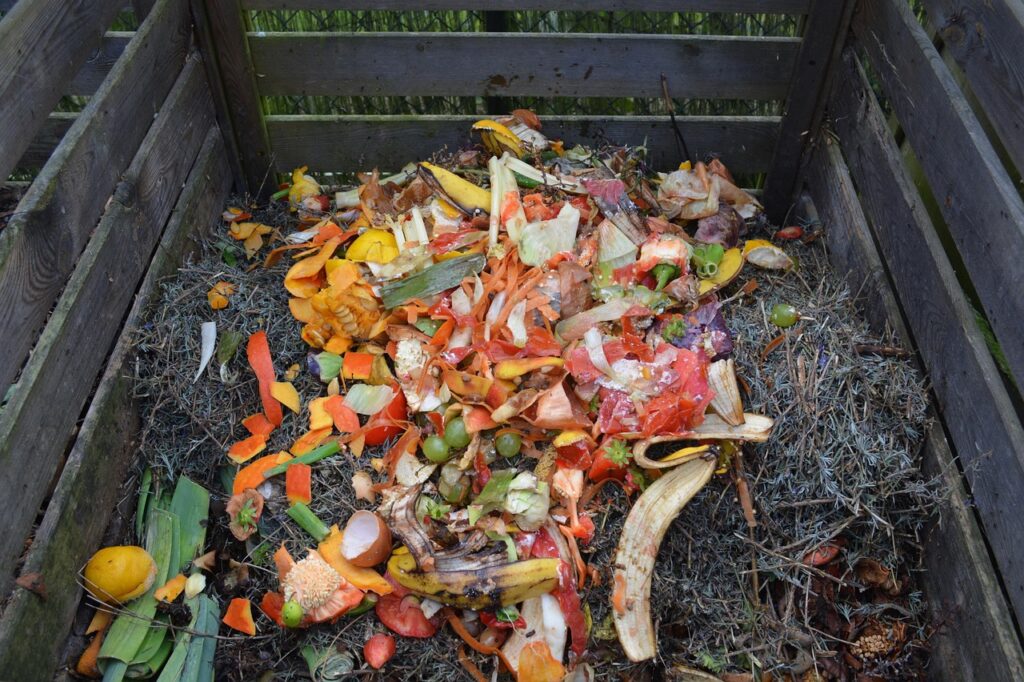
- Bokashi Systems: Small, airtight bins that use “effective microorganisms” to ferment meat and dairy, items usually banned from traditional compost.
- Aerobic Digesters: High-tech machines that use heat and abrasion to turn 100 lbs of food waste into 10 lbs of dry, nutrient-rich soil amendment overnight.
Also read: Composting for restaurants.
2. The “Upcycling” Partnership
Partner with local businesses that can use your waste as their raw material.
- Spent Grain: If you brew your own beer, give the spent grain to a local bakery to make “spent grain bread.”
- Used Cooking Oil: Sell your used fryer oil to companies that convert it into biodiesel.
Building a “Zero-Waste” Culture
Technological tools are useless if the staff doesn’t believe in the mission.
- Incentivize the Team: Create a “Waste-Free Bonus” where a portion of the money saved through reduced food waste is distributed back to the kitchen staff.
- Transparent Metrics: Post the weekly waste totals in the breakroom. When the team sees the “Waste Monster” shrinking, they take pride in their efficiency.
- Education: Host “Scrap Challenges” where chefs compete to make the best dish using only ingredients that were destined for the bin.
The Economic and Branding Payoff
Reducing food waste isn’t just “being green”; it’s a massive competitive advantage.
- Lower COGS (Cost of Goods Sold): Every ounce of waste saved is pure profit.
- Brand Loyalty: Consumers prioritise “Sustainability” in their dining choices. Highlighting your zero-waste initiatives on your menu and social media builds trust.
- Regulatory Safety: As “Landfill Taxes” rise, being ahead of the curve protects you from future financial penalties.
Conclusion
The restaurants that survive and thrive in 2026 will be those that view ingredients as precious resources rather than disposable commodities. By integrating AI tracking, rethinking menu design, and fostering a culture of “Root-to-Stalk” cooking, you can turn your kitchen into a model of circular efficiency. The path to zero waste is a marathon, not a sprint. Start with a waste audit, identify your biggest “leaks,” and slowly build the systems that protect your profit and the planet.