

Creating a thriving worm bin is more like managing a tiny, underground livestock farm than keeping a simple compost pile. The “bedding” is the most critical component of this farm, it acts as the worms’ home, their security blanket, their lung, and eventually, their snack. In this guide, we will explore the best bedding for worms, provide comparative data to help you choose the best materials, and walk through the setup process for a high-performing vermiculture system.
The Biological Function of Bedding
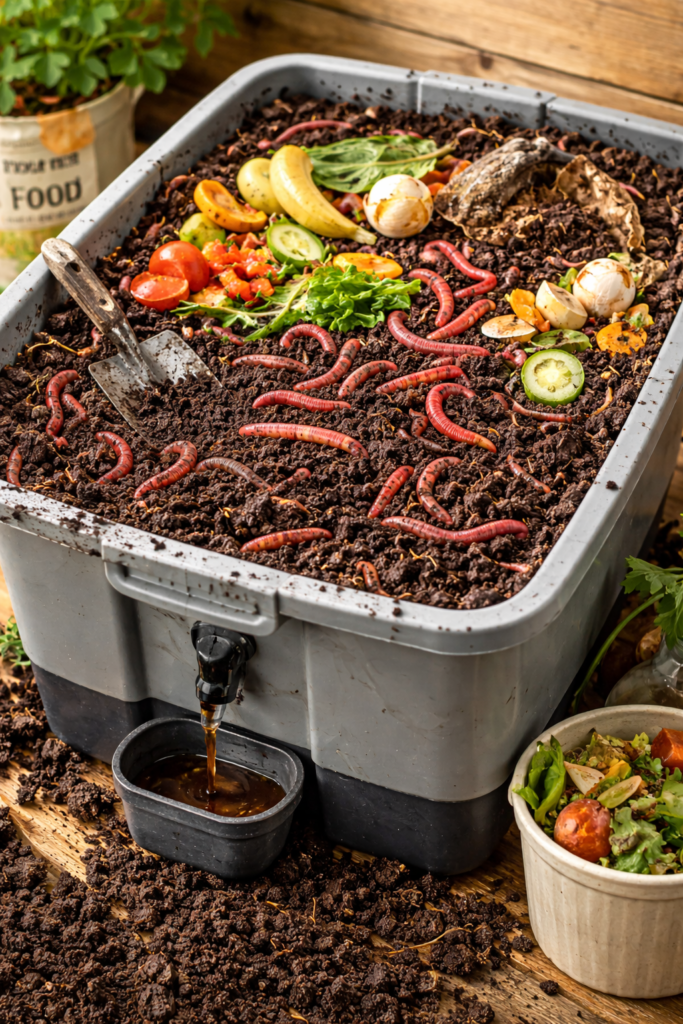
Worms, specifically Eisenia fetida (Red Wigglers), don’t live in dirt. They live in decaying organic matter. In a synthetic environment like a plastic or wooden bin, the bedding must replicate the “leaf litter” layer of a forest floor.
The Three Pillars of Perfect Bedding
- Moisture Management: Worms breathe through their skin via a process called epithelial gas exchange. For this to work, their environment must be between 60% and 80% moisture. If the bedding is too dry, they suffocate; if it’s too wet, the bin becomes anaerobic (stinky), and they drown.
- Carbon-to-Nitrogen (C:N) Balance: Bedding provides the “Carbon” (browns) to balance the “Nitrogen” (greens/food scraps). A healthy bin should start with a C:N ratio of roughly 30:1 to 50:1.
- Structural Porosity: Bedding must resist compaction. Oxygen is vital for both the worms and the aerobic bacteria that help break down food.
Comparative Analysis of Bedding Materials
Not all carbon sources are equal. Below is a data table comparing common bedding materials based on their physical properties and chemical makeup.
Performance Comparison Table
| Material | C:N Ratio | Absorbency | Aeration | Decomposition Speed | Cost/Availability |
| Corrugated Cardboard | 560:1 | Very High | Excellent | Medium | Free / Easy |
| Coconut Coir | 100:1 | Superior | Good | Very Slow | Moderate |
| Shredded Newspaper | 175:1 | High | Moderate | Fast | Free / Easy |
| Peat Moss | 50:1 | High | Low | Very Slow | Moderate |
| Aged Horse Manure | 25:1 | Moderate | Medium | Medium | Hard to find |
| Wood Chips | 700:1 | Low | High | Very Slow | Easy |
| Dried Leaves | 60:1 | Moderate | High | Medium | Seasonal |
Analysis: While Cardboard has a very high carbon ratio, its structural “flutes” make it the best for airflow. Coconut Coir is the champion of moisture retention but offers less nutritional variety than leaves or manure.
Materials.
A. Corrugated Cardboard
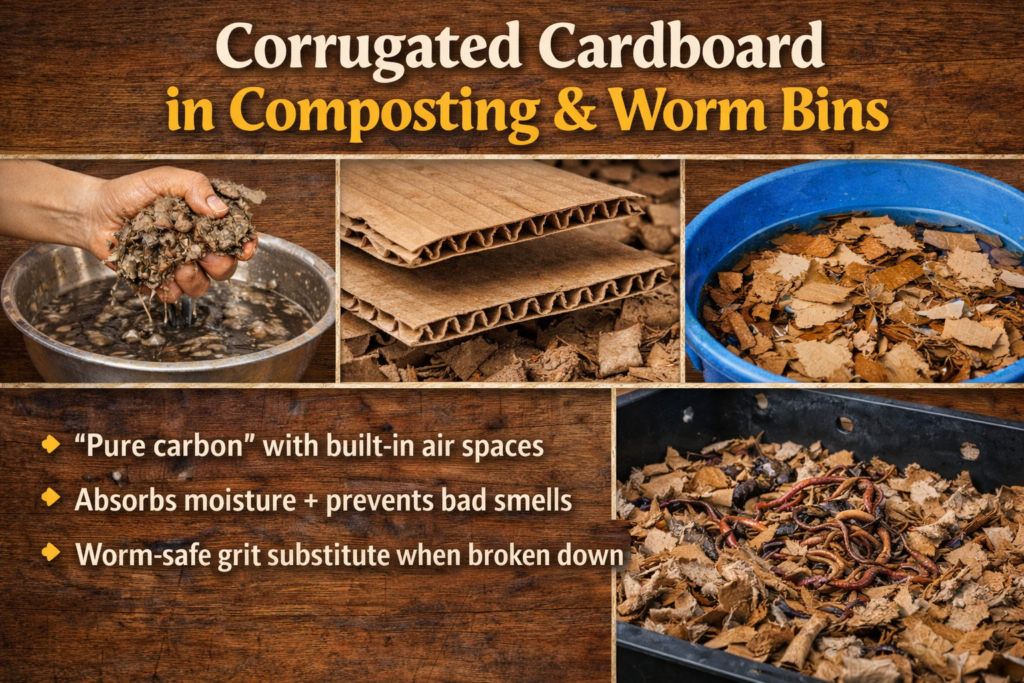
Corrugated cardboard is the gold standard. The glue used to hold the layers together is often starch-based, which serves as an accidental food source for the worms.
- Best for: Large bins and outdoor setups.
- Pro Tip: Always remove plastic tape and shipping labels. Shred it into 1-inch strips to maximize surface area.
B. Coconut Coir
Coir is a byproduct of the coconut industry. It is nearly pH-neutral (usually 6.0–6.8) and looks very clean, making it ideal for indoor bins kept in kitchens or basements.
- Best for: New hobbyists and “tidy” indoor systems.
- Risk: Some coir is processed with sea water. Always rinse your coir bricks thoroughly to remove residual salts, which can be lethal to worms.
C. Shredded Newspaper.
Newspaper is excellent but has one major flaw: it mats down. When wet newspaper sheets stick together, they create an airtight barrier that turns the bin “sour.”
- Best for: Mixing with other materials.
- Rule of Thumb: Use it as a 20-30% supplement to cardboard or coir rather than a primary base.
Also read: What is Bokashi Composting?
The Chemistry of Bedding
To understand why we use so much bedding, we must look at the chemistry of decomposition. Worms don’t actually eat the “apple” you throw in; they eat the microbial biofilm (bacteria and fungi) growing on the rotting apple.
Bacteria require carbon for energy and nitrogen for protein synthesis.
- Too much Nitrogen (Food): Causes “Protein Poisoning” (Sour Crop) in worms. The bin becomes acidic, and the worms’ bodies may literally rupture.
- Too much Carbon (Bedding): The process slows down, but the worms stay safe.
Ideal Starting Mix Formula:
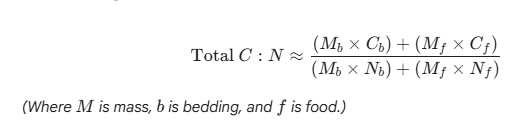
In simpler terms: Always aim for more bedding than food. A safe volume-based ratio is 2 parts bedding to 1 part food.
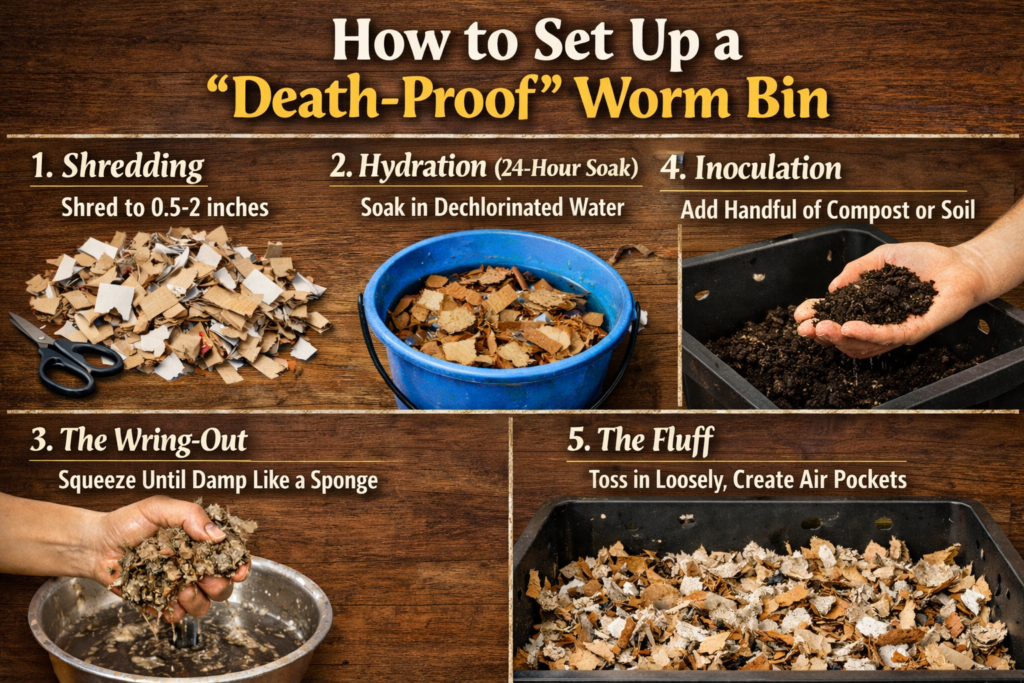
Preparing Your Bedding
Preparing bedding is more than just throwing paper in a box. Follow this protocol for a “death-proof” bin.
- Shredding: Break materials into small pieces (0.5 to 2 inches). This increases the surface area for microbes to colonize.
- Hydration (The 24-Hour Soak): If using cardboard or coir, soak it in a bucket of de-chlorinated water (let tap water sit out for 24 hours to let chlorine evaporate) for at least 2 hours.
- The Wring-Out: Squeeze the material until it is the consistency of a wrung-out sponge.
- Inoculation: Add a handful of finished compost or garden soil. This “seeds” the bedding with the bacteria and grit (tiny stones) worms need for their gizzards.
- The Fluff: Toss the material loosely into the bin. Do not pack it down. You want air pockets!
Maintenance
The Squeeze Test Data
| Squeeze Result | Status | Action Required |
| Dry/Crumbly | Too Dry | Mist with water spray bottle immediately. |
| 1-2 Drops of Water | Perfect | No action; maintain current feeding. |
| Stream of Water | Too Wet | Add dry shredded cardboard; check drainage holes. |
Indicators of Bad Bedding
- The “Huddle”: If worms are all balled up in one corner, the bedding in the rest of the bin might be too acidic or hot.
- The “Escape”: If worms are crawling up the walls in mass, it usually means the bedding has become anaerobic (lack of oxygen).
- The Smell: A healthy bin should smell like a rain-drenched forest. A smell of ammonia or vinegar means you need more bedding (Carbon).
Advanced Bedding
If you want to take your vermicompost to the “pro” level, consider pre-composting your bedding.
- Leaf Mold: Autumn leaves that have sat in a pile for 6 months are essentially a “superfood” bedding. They are rich in fungal spores that worms crave.
- Aged Manure: Horse or cow manure that has aged for at least 3-6 months acts as both bedding and food. However, it must be “cold” if it’s still steaming, it will cook your worms.
Summary
The “Best” bedding is rarely a single material. For the most resilient system, use a Hybrid Mix:
- 50% Shredded Corrugated Cardboard (for structure and air).
- 40% Coconut Coir or Peat Moss (for moisture retention).
- 10% Shredded Leaves or Aged Compost (for microbial diversity).
By focusing on the bedding as a living environment rather than just a waste-disposal medium, you ensure a healthy, odorless, and highly productive worm bin that will produce the “black gold” your garden deserves.



[…] Also read: Best bedding for worms […]
[…] needed at first, even placing a standard compost bin off the ground (for drainage) can serve as a worm bed. Simply ensure the container has drainage holes and is on a tray to catch any leachate. The […]